
 Posted by
 Hitting that sweet spot between hiking, mountaineering and rock climbing. Scrambling will supercharge your adventures and deliver the perfect mountain day.
Mountain scrambling is a great way to enjoy the outdoors and challenge yourself physically and mentally. It’s a type of mountaineering that involves moving over rough, rocky terrain using your hands and feet. Scrambling can be done on a variety of grades, from easy to challenging, so there’s something for everyone. Think of scrambling as moving over technical terrain in a more ‘professional’ way than just going for a hike. It uses a variety of techniques that are different to hiking and are more like rock climbing.

If you’re a beginner, there are a few skills and techniques you’ll need to develop to stay safe while scrambling. Here are a few of the most important:
- Good judgment: Scrambling can be dangerous, so it’s important to be able to assess the terrain and make good decisions about where to go. This means being aware of your own abilities and limitations, as well as the potential hazards of the terrain.
- Good balance: You’ll need good balance to move safely over uneven and slippery terrain. This can be developed through practice, as well as by doing exercises that improve your core strength and flexibility.
- Good footwork: Scrambling often involves using your hands and feet to move over the terrain. It’s important to develop good footwork (by using the correct type of footwear) so that you can move safely and efficiently. This can be done by practising on easy scrambles and by taking climbing lessons.
- Use of equipment: There are a few pieces of equipment that can help you stay safe while scrambling, such as a helmet, a harness, a rope and some basic climbing hardware (check out the kit list later). It’s important to learn how to use this equipment properly so that it can protect you in the event of a fall (which you should never be doing – the old climbers’ maxim “the leader must never fall” is especially true in scrambling)!
Once you’ve developed these basic skills and techniques, you’ll be ready to start scrambling in the UK mountains. Here are a few tips for finding safe and challenging scrambles:
- Start with easy scrambles: If you’re a beginner, it’s best to start with easy scrambles that are well-established and have good paths. This will help you get used to the terrain and the movements involved in scrambling.
- Do your research: Before you head out on a scramble, do some research to make sure that it’s appropriate for your skill level. There are a number of guidebooks and websites that can help you find safe and challenging scrambles.
- Be prepared: Make sure you have the right equipment and that you’re familiar with how to use it. You should also pack plenty of water and snacks, and let someone know where you’re going and when you expect to be back.
With a little practice and preparation, you can safely enjoy the challenge and excitement of mountain scrambling in the UK mountains.
Here are some additional tips for staying safe while scrambling:
- Scrambling should only be done in good weather conditions. Avoid scrambling in wet or icy conditions, as this can increase the risk of falls.
- Be aware of your surroundings. Pay attention to the terrain and the potential hazards, such as loose rocks or steep drops.
- Use caution when crossing streams or rivers. The water may be slippery, and the current may be strong.
- Take breaks often. Scrambling can be physically demanding, so it’s important to take breaks to rest and refuel.
The CGR top recommendations for UK scrambles to get you started.
The Lake District
Jacks Rake, Great Langdale (Grade 1)
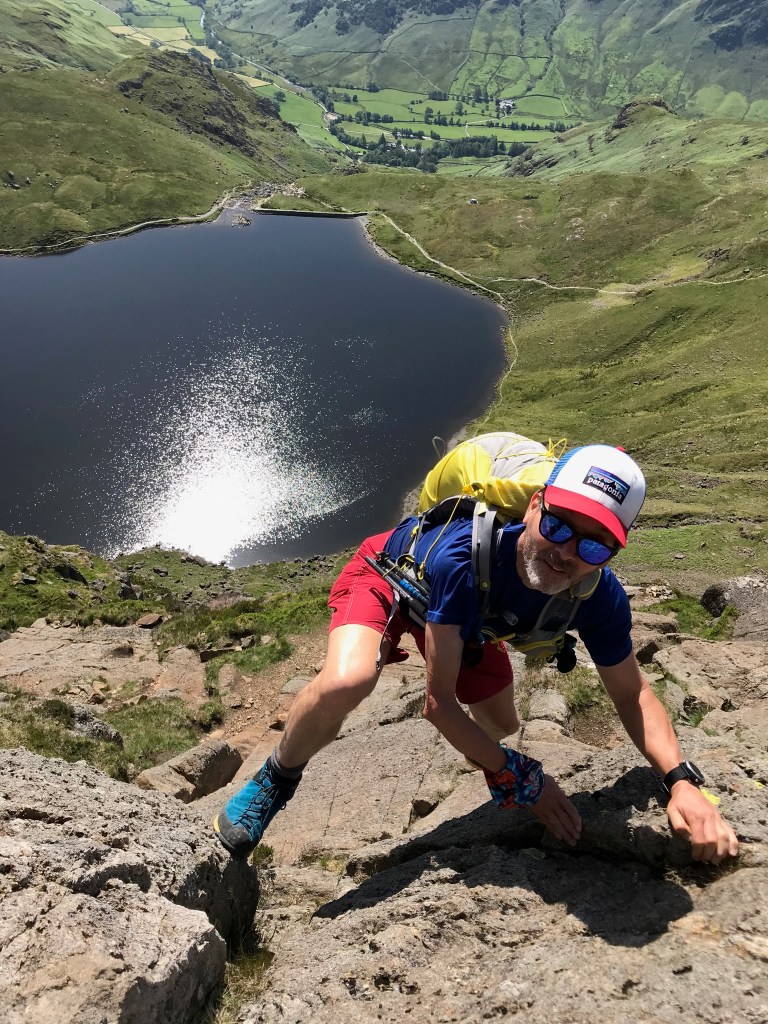
A total classic and on a summer day (in fact on any day at any time of the year) you will find plenty of people on this iconic ramp line. It is a perfect for beginners: easy to follow, a great variety of ground and a technical section right at the very top. Treat yourself to a summit finish on Pavey Ark or even hike over to Harrison Stickle and the best bit of all? Hike back down to Slanty Lees pub to revel in your alpine prowess! Langdale is the CGR top tick for scrambling in The Lakes with stacks of options to choose from.
Sharp Edge, Blencathra (Grade 1)
Although the same grade as Jacks Rake, Sharp Edge feels more committing and has been the scene of accidents in the past. It starts off innocuous enough but soon gets exposed. A perfectly good introduction to scrambling however and with good weather and conditions you’ll wonder what all the fuss is about. Once the clag comes down and the rock gets damp however, it becomes a totally different proposition. For the full day out take in the summit and descend via the Hall’s Fell Ridge ridge for a totally classic outing.
Pinnacle Ridge, St Sunday Crag (Grade 2)
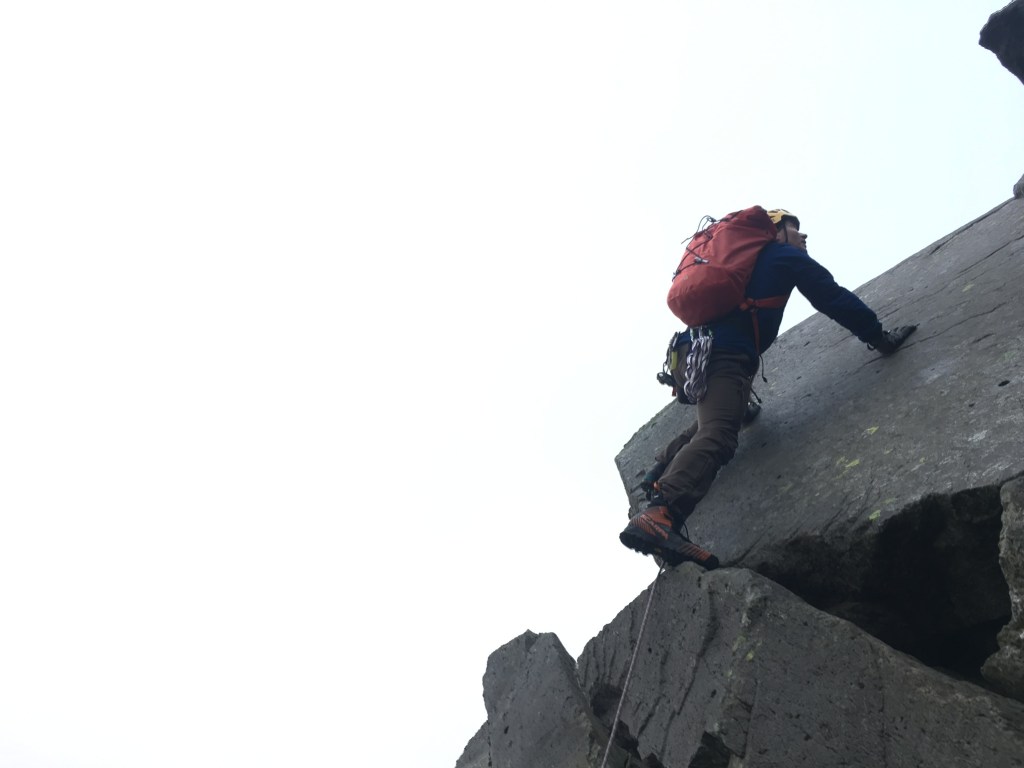
A CGR favourite, it has everything you could possibly want in a scrambling route to test your skills. A good hike in (in fact finding the start can be the hardest bit of the day), great positions, super technical sections and even a short abseil (optional). Complete the route with a short hike to the summit of St Sunday Crag.
Scotland (where do we start!)
Curved Ridge, Buachaille Etive Mor, Glen Coe (Grade 2/3)
Easy access, great rock, superb situations and a straightforward descent make this one of the most popular scrambles in Glen Coe, if not the Highlands. A defined path leads steadily up, past Waterslide Slab and gains height to the start (do not confuse Curved Ridge with the more difficult D Gully Buttress which is further left). Well worn rock, which should be well scratched with crampon marks leads the way. Never desperate but increasing exposure eventually leads to an easier section with broken rock and short awkward steps and rock walls lead to a cairn at the top of Crowberry Tower. Continue up to the North summit for fine views down Glen Coe and the awesome Aonach Eagach Ridge (to be completed another day perhaps). Descend steadily down Coire na Tulaich and back to the Clachaig Inn for beer and chips. A great introduction to Scottish scrambling.
Fiacaill Ridge – Stob Coire an t- Sneachda, Cairngorm (Grade 2+)
This is a great introduction to Scottish scrambling: plentiful parking an a gentle approach (in amazing scenery), coupled with a superb scramble that although never desperate has plenty of technical interest and some exposure. The obvious ridge as you approach Coire an t- Sneachda (or just Sneachda to us scramblers), marked on the OS map as Fiacaill Buttress. It starts off as a a steep hike that becomes more pronounced as you progress up the ridgeline. It eventually culminates in a rocky ridge climb that offers plentiful opportunities to practise a whole variety of techniques from short roping to belaying. Once you have reached the top you can either descend the steep Goat Track path or why not continue onto summit the mighty Cairn Gorm for outstanding views across the range. A must tick on every beginners list.
Tower Ridge, Ben Nevis (Grade 3+, Grade Difficult climbing)
This is one of the premier mountaineering expeditions in the entire UK and should be the culmination of every scrambler who sees themselves as a mountaineer. We have included it in because we believe that the persistent application of improving technical skills and sufficient ambition can enable you to achieve some outstanding adventures safely. Tower Ridge on Ben Nevis is just such a route and should be high on your list of UK mountaineering objectives. There is no finer way to the summit – period! Only to be attempted in fine weather and after several years of honing your ropework and scrambling skills as once you have got to the infamous Tower Gap you are pretty much committed to finishing the route. Hike up to the CIC Hut and take a break to soak in the atmosphere. This is a great place to get kitted up and ensure you have everything in place that you need (you WILL need the full mountaineering kit of 50m rope, harness, helmet and rock climbing hardware). Head up the left hand side of The Douglas Boulder (which isn’t a boulder but a massive wall – don’t ask me!) and climb up to the Douglas Gap. A bit of chimney thrutching gets you up onto the ridge, continue along to The Great Tower where an airy traverse along a ledge (The Eastern Traverse), a squeeze through a tunnel and then up easy, well worn rocks will get you to the top of the Great Tower. And so onto the main event Tower Gap, in a good year there may be an in situ rope and you will wonder what all the fuss is about. But more usually there is no rope so you will have to use all your skills to make the tricky descent and have confidence that your partner can do the same. Climbing out of the Gap is more straightforward and easier rocks lead you to the top. Swagger over to the summit, fully kitted out to slay all the grokels who slogged up the tourist path. Descend the tourist path to Red Burn and then head over Allt a’Mhuilinn and negotiate the hardest part of your day – finding a dry way across the burn and onto the main path down to the North Face car park!
North Wales
Crib Goch, Yr Wyddfa (Grade 1)
Probably the most popular scramble in the UK, you’ll never be alone on this route. But do not be fooled, it is the accident hotspot of the UK mountains and can easily lure the unprepared into serious danger. That said, in good weather and conditions it is straightforward if a little exposed for a short section. Take extra care around the pinnacles as many think it’s all over at that point when you still need your wits about you. Once it’s all over spend a little time looking back at where you’ve come from before you head for the summit and the crowds in the cafe.
Cneifion Arete, Cwm Idwal (Grade 3)
In total contrast to the above the Cneifon Arete, high above Cwm Idwal is as spectacular as it gets in North Wales. It has everything you’ve been working up towards as you progress your experience. It’s technical, continually interesting and requires good ropework together with movement skills and belay techniques. It’s all there though and in good weather the toughest part of the day is the hike up to the start. Once you’ve topped out, head back down and do it again! Or head for a hike over the Glyders and now you’ve proved you’re no longer a newbie at scrambling head down Bristly Ridge and top out Tryfan for the ultimate Wales day out.
Milestone Buttress Scramble, Milestone Buttress, Ogwen (Grade 3)
Do not be fooled by the accessibility of this route, many have found themselves quickly straying into technical rock climbing territory. Working your way, initially up and left and then rightwards it is continually absorbing and challenging. The way is well worn, but then so are all the rock climbs! Be warned, in anything other than perfect, dry conditions this route becomes very serious! The appeal of the route is the 15 minute approach so it’s perfect for a quick scramble before you head off back home or an evening on arrival. Once you have reached the top you can either work your way over to Tryfan North Ridge and continue more easily to the summit or if you want to further test your abseiling skills you can abseil down the slot gully. Just be very sure to have your own abseil tat to use and never trust the in situ tat.
The CGR Scrambling Kit List – the best kit for your scrambling adventures.
Scrambling requires kit that you can depend on. Fortunately, we here at CGR are masters of kit selection. Our testers are on hand to offer you a selection of kit that come recommended for the demands of the variable conditions that UK mountaineering will throw at you.
Patagonia Quandary Pants
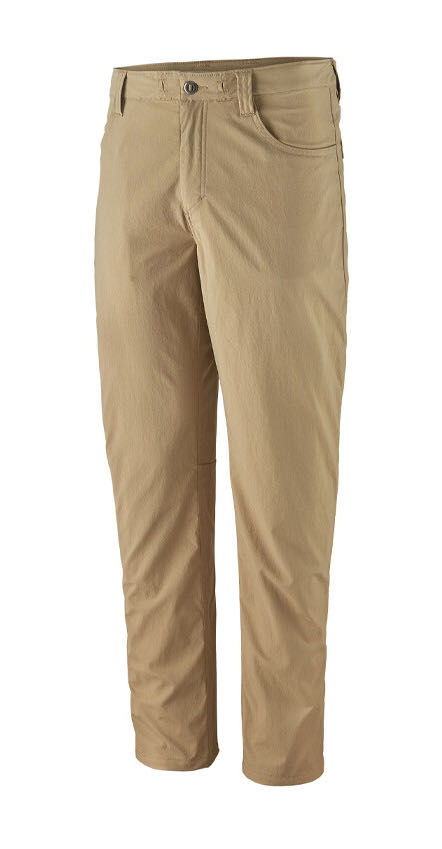
These pants should need no introduction, they have been a staple of the Patagonia catalogue for many years. Light, durable and packed full of movement friendly features. They have an understated style that will look as good when scrambling as when talking about scrambling down the pub – and everything in between. Two jeans style front pockets, two back pockets (one zipped), a zipped thigh pocket and a welted phone pocket offer the full range of storage options for technical mountaineering. They also have a key clip loop to make sure your keys are safe (it makes a great security loop for a phone lanyard). The durable and lightweight fabric is made from NetPlus, 96% recycled fishing nets which, as you would expect from Patagonia, is as good as it gets and helps reduce ocean plastic waste. They are finished with a PFC free DWR to shed those light showers and a 40+ UPF rating for when the sun shines (hey, we get all 4 seasons in an hour here in the UK). They also have plenty of burly construction with double sticking on the outside seam and absolutely tons of bar tack sticking at high wear points such as pocket ends and belt loops. They are also finished with YKK zips, an internal drawstring and a metal waist button, if anything does go wrong (such as you snag and tear them) you can be sure of a swift and professional repair via the Worn Wear portal on the website.
The Patagonia Quandary Pants come in sizes 28 – 40” waist and regular and short inseam lengths.
The SRP is £90 and they can be bought directly from Patagonia UK and specialist retailers.
Rab Borealis Jacket
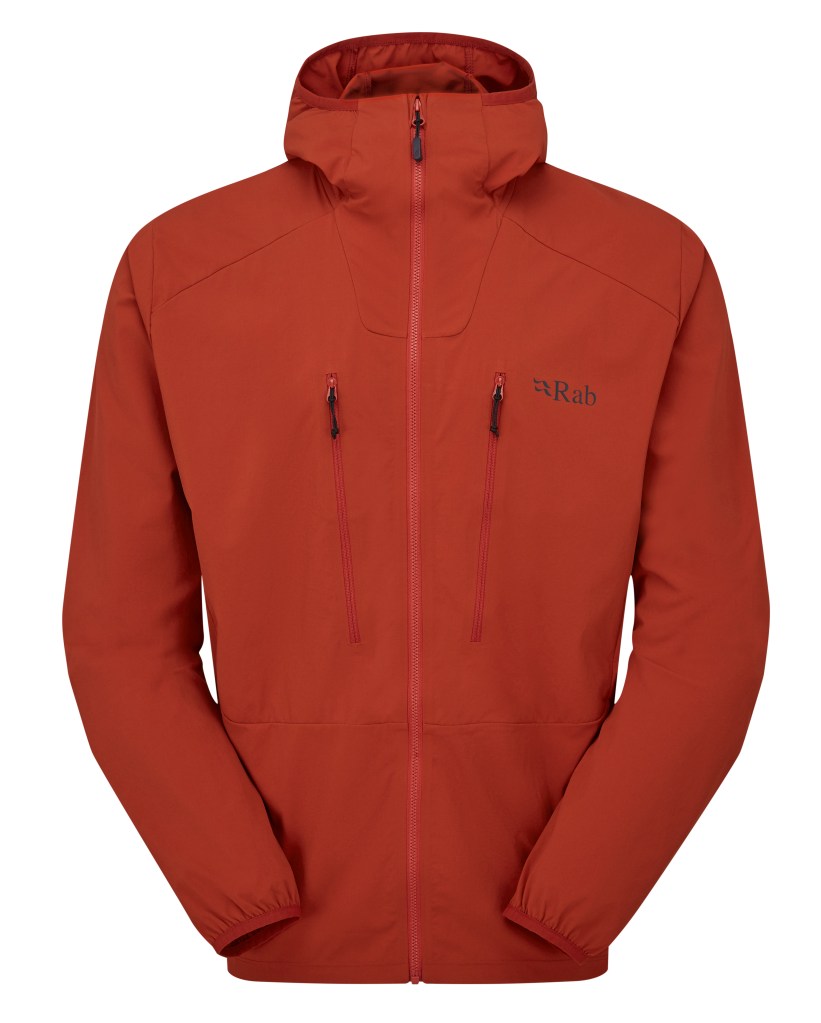
Super light, super stretchy and super packable. What’s not to like about the excellent Rab Borealis Jacket. Made from abrasion and wind resistant Matrix fabric the jacket is perfect for 3 season breezy conditions. Weighing in at a mere 300g it’s super compressible and will squeeze into the tiniest space, that said it’s a put on and stay on piece as it’s super soft and stretchy so works well with both a t-shirt and a long sleeved base layer and the sizing is generous enough for a decent mid layer. Two, well-sized and harness friendly pockets allow you to take any sized phone for those exposure shots with more room for gloves and/or some food and even a guidebook or even small map. They have a mesh lining so help with venting on that steep approach and lightweight zip tags. The finishing touches include an elasticated hood which fits under a helmet (and will fit over with a bit of a stretch), easy adjusting hem cinches and reflective Rab logos on the front and rear.
The Rab Borealis Jacket comes in sizes XS – XXL and 7 colour options. The SRP is £95 and it can be purchased directly from Rab UK and specialist retailers.
Keela Merino Zip Neck Top
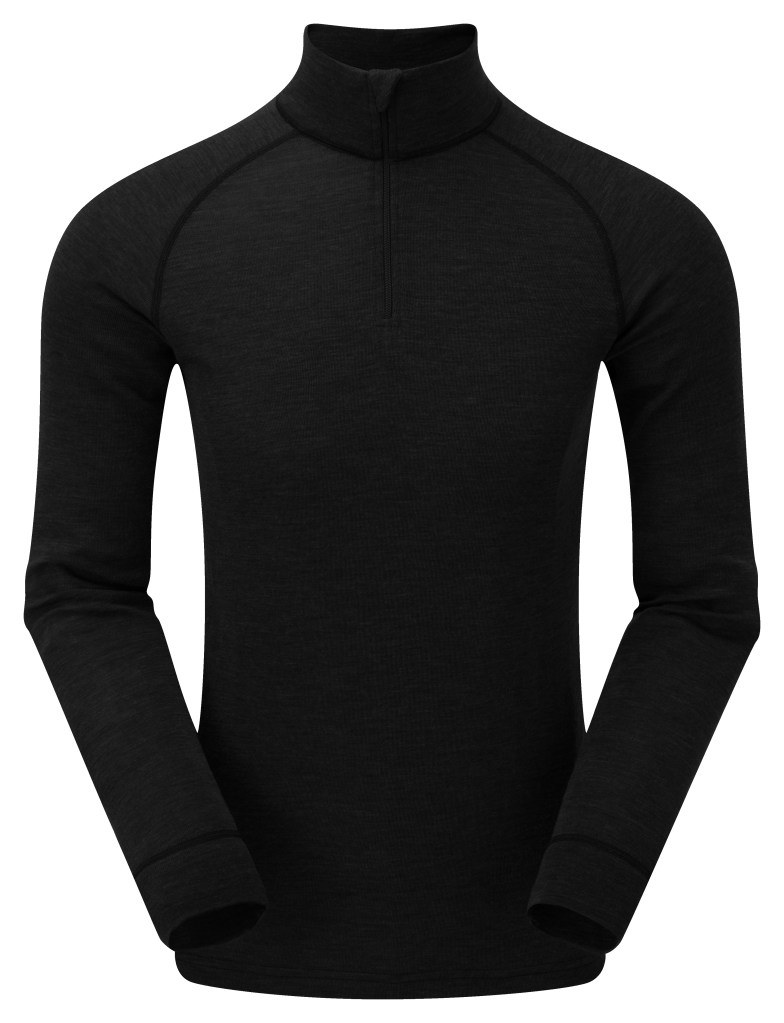
We’ve reviewed a Keela Merino Hoody and found it brilliant, so we will not hesitate to recommend the lighter zip top version as our mid layer item. Made from ethically sourced and non-mulesed 100% Merino wool, this long sleeved performance layer will be perfect for long days out on the mountain. Light enough to wick away sweat, the 210gsm merino is also warm enough for when you slow down on technical ground. The flat lock seams and raglan sleeves offer premium comfort when carrying loads and the full cuff locks in the heat whilst keeping out the breeze. The 1/4 zip offers good venting options and the performance fit hugs the body to help wick away sweat. Talking of sweat, you can happily wear the top for the entire weekend away as the anti-bacterial properties mean that it’s odour resistant – so you can feel safe when you wear it down the pub to chat about your scrambling adventures. The price point is good (for a merino top) and you’ll be supporting a small, independent Scottish company so what’s not to like!
The Keela Merino L/S Zip Neck Top comes in sizes XS-3XL and 3 colour options.
There is a female specific version that comes in sizes UK8-UK20 and 2 colour options.
The SRP is £64.95 and it can be bought directly from Keela UK and specialist retailers.
Montane Azote 25 Pack
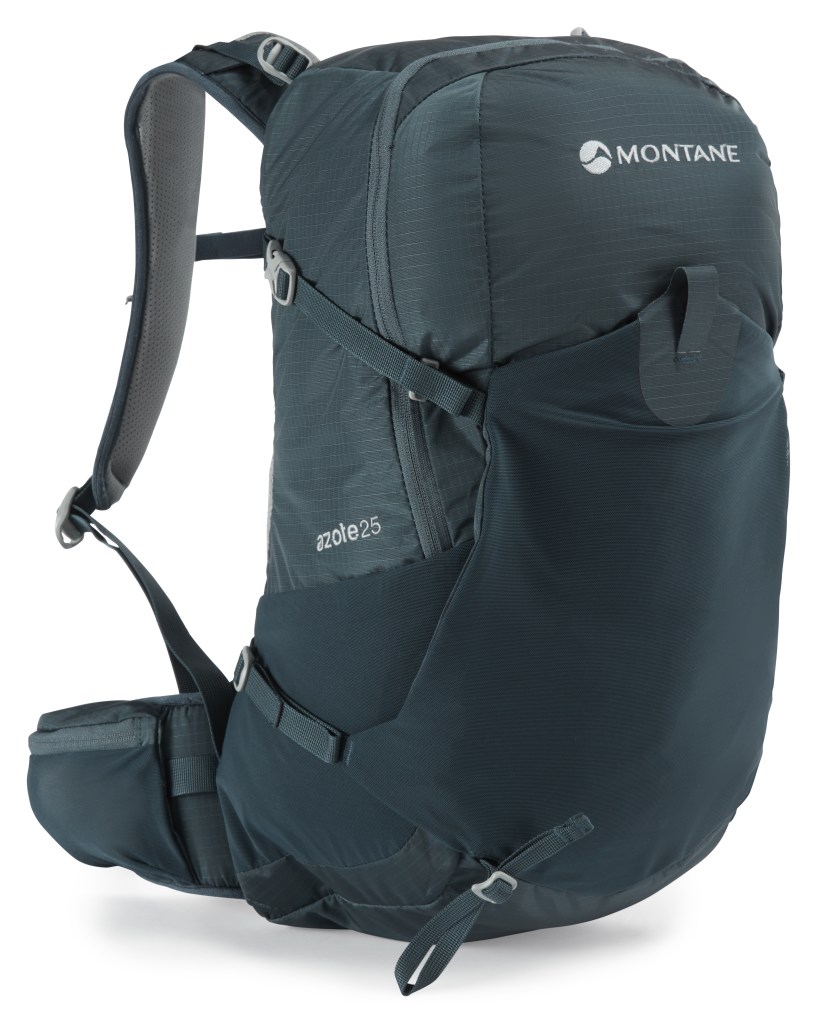
A day out scrambling requires a pack that can do it all: be comfortable for the approach and the continuing summit ticks, be big enough to carry extra kit yet compact enough to climb in and has plenty of features for all those other hiking days you’ll be enjoying throughout the season. Enter the Montane Azote 25, the new do-it-all pack for adventures in the vertical. The pack has a whole host of features that will make your adventures as smooth and efficient as they can be. The 25L capacity will take the extra amount of kit you would need (remember it’s going to split between two) and the easy access stretchy front pocket adds extra capacity for stuffing insulating jackets or hard shells and the two side pockets can be useful for drinks bottles and even compact hiking poles. There are also two hip pockets for easy access to phones, gps and/or compasses.
If you have normal telescopic style poles there is a stashing loop that doubles up as an ice axe loop for winter and the whole pack cinches up with side compression straps for when the terrain gets technical. The main body of the Azote is made using 100D Raptor Eco Nylon so is tough and lightweight with excellent sustainability foundations and the whole pack weighs in at just 800g so shouldn’t feel too burdensome at the end of the day. The main compartment swallows up kit so you can feel free to take an extra layer or more butties and the smaller, zipped pocket is great for securing smaller items. On top of that, there is room for a hydration bladder in the back where the excellent and breathable ZephyrAD back system can be adjusted and fine tuned to fit your individual back size. Perfect!
The Montane Azote 25 is available in three colour options. There is also a female specific 24L version. Other sizes: a 6L waistpack and the bigger 32L pack are also available.
The SRP is £130 and it is available direct from Montane UK and specialist retailers.
PETZL Altitude Harness
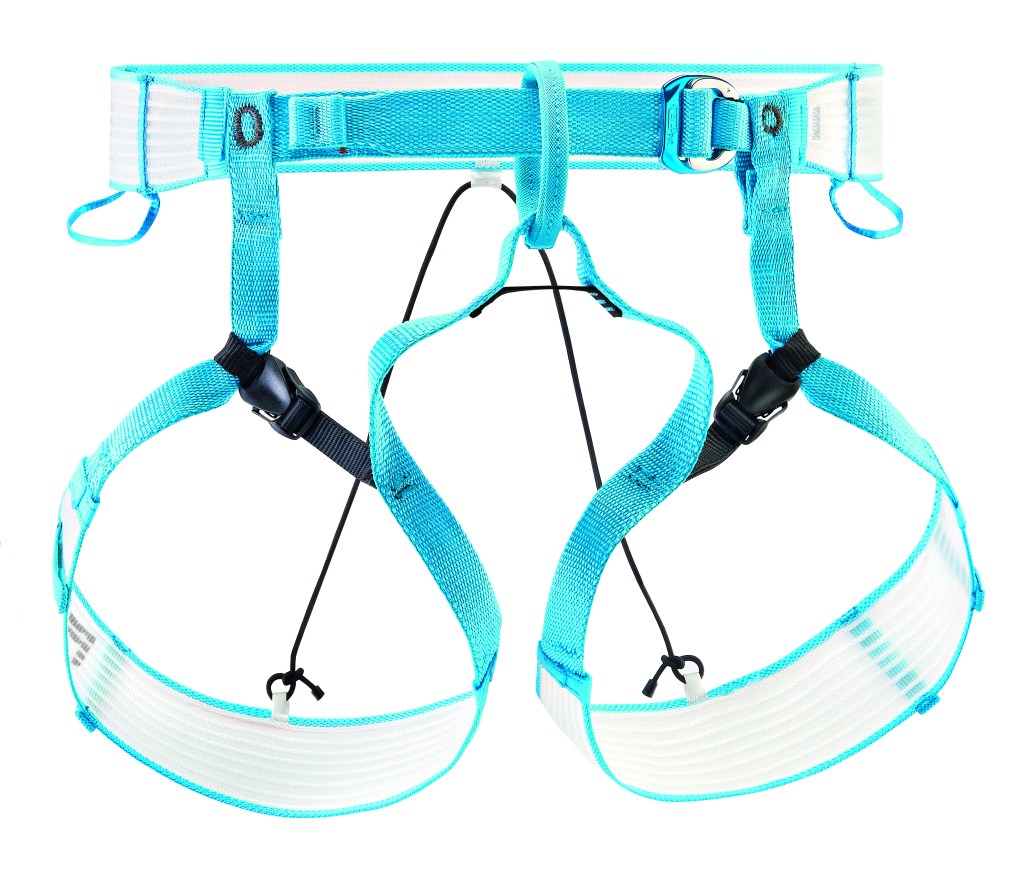
Choosing a suitable harness has been tricky for this article as a full rock climbing style harness can be overkill for scrambling. Best adopt the traditional maxim…’ the leader never falls’ and go for light and compact. Petzl make some of the best technical harnesses around and the Altitude is a fantastic, ultralight harness that is compact, easy to get on and off and has minimal features that still perform when needed. 50mm waist belt is easy to adjust with its 28mm webbing on the waist belt and its double-backed, one pull buckle. The 20mm webbing on the leg loops is adjusted using plastic buckles. It’s all put together with copious and burly stitching and bartacking. The leg loops are adjustable so will go over pants for all seasons and mountaineering boots with ease and the two gear loops will accommodate enough kit for a scrambling day and the harness even has belay loop at the front for easier abseils or lowers. You should note that this is a specialist harness that is suitable for mountaineering, ski touring and via ferratas. Although, with its CE EN 12277 rating you can use it for technical rock climbing, just don’t expect super comfort when hanging in it. But the weight and space saving elements of this harness are the reason we are recommending it.
The Petzl Altitude Harness comes in 2 sizes S/M, M/L and L/XL. The SRP is £85 and it can be purchased through specialist retailers.
Scarpa Zodiac Tech GTX
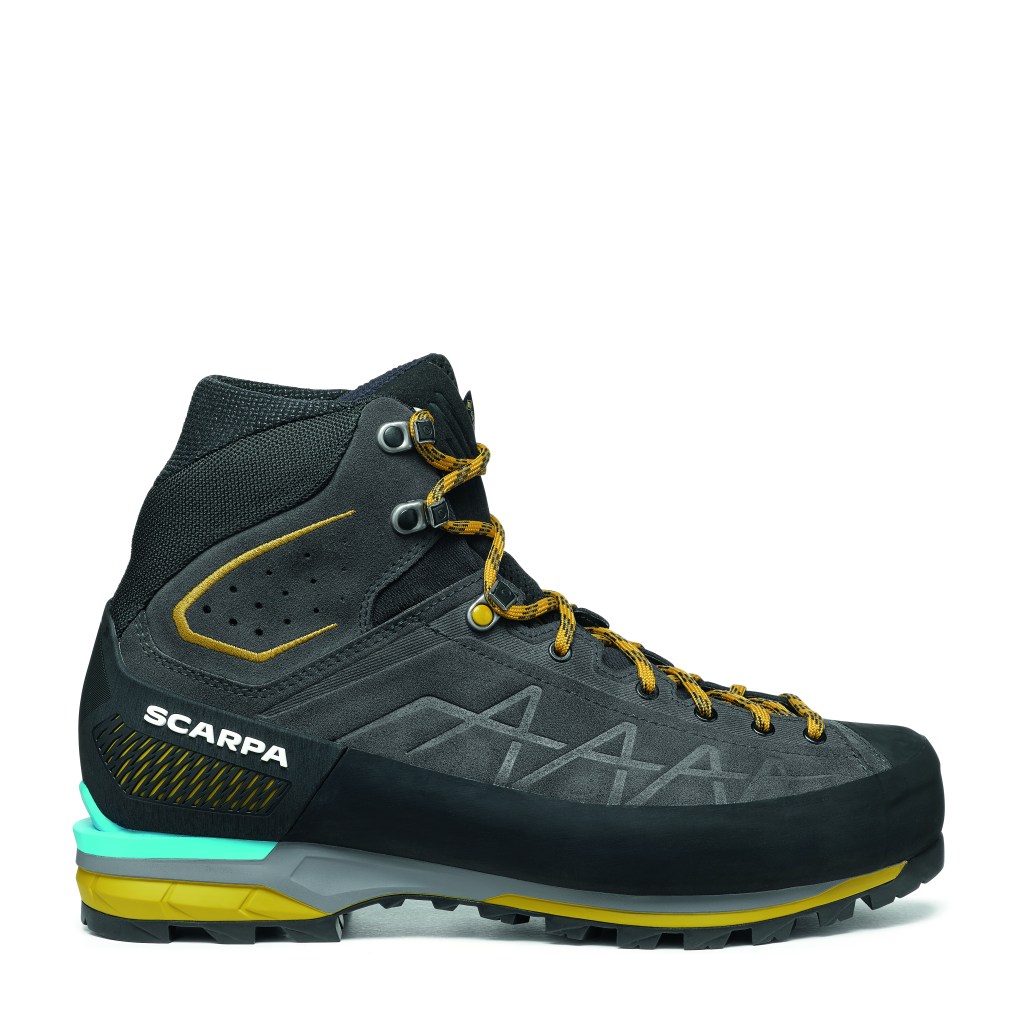
Footwear is a critical part of the system when scrambling, especially when the ground begins to get technical and begins to feel like alpine rock climbing. This can happen quickly and when it does you’ll be glad for the security that quality footwear offers. Some in the CGR team prefer an approach shoe but I prefer a boot. Why? Well, I like the security of a boot, the way a boot ‘locks’ me in and offers me precision with foot moves. I’m also grateful for the comfort at the end of a long day when I’m tired from the extra concentration levels needed when negotiating complicated terrain. Enter the Scarpa Zodiac Tech GTX, the updated version of a classic, hybrid hiking and mountain boot. It has everything you need for a day out scrambling: a full Vibram sole with a generous climbing zone and aggressive lugs (which can be fully resoled using the excellent Scarpa resole service); 1.8mm Perwanger leather uppers make them literally as tough as old boots and a full rand means that you can attack those foot-sized cracks with ease. On top of all that a traditional lacing system offers a precision fit and the soft, bellowed tongue is perfect for superior comfort; there is also a nice soft heel patch that offers blessed relief for tired Achilles and the heel offers a nice ‘locked in’ feel to the boots. Hiking comfort is also assured with the patented BAS adaptive system and an EVA midsole. On top of all that the Zodiac Tech GTX is B2 rated and will easily transfer into all your winter adventures, when the Gore-Tex lining will come in very handy.
The Scarpa Zodiac Tech GTX is available in sizes EUR 41-48 in half sizes. There is also a specific female version in sizes EUR 37-42.
The SRP is £290 and they can be purchased directly from Scarpa UK and specialist retailers.
PETZL Attache Bar and Rocha Carabiners
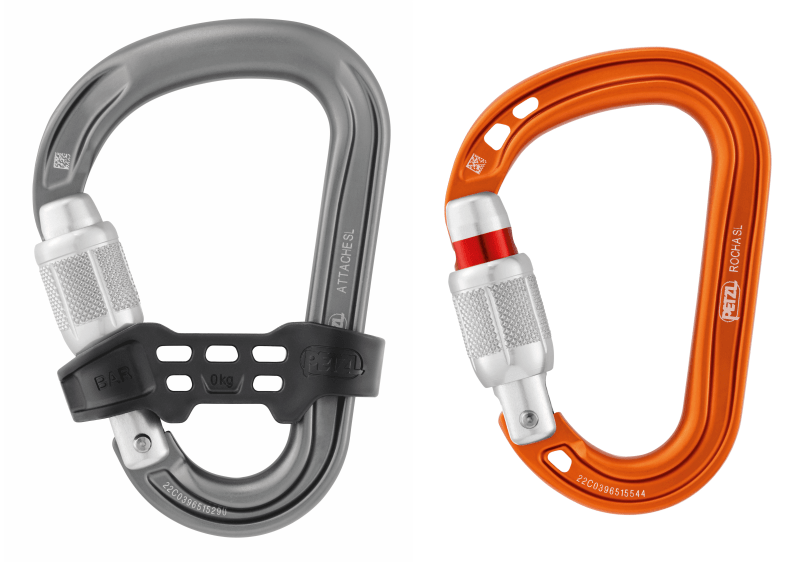
We are not going to recommend the type of climbing hardware you should be taking on scrambling days as it is very subjective and best explored when attending a course or other instruction. However, carabiners are an essential piece of kit (and not just for dangling off your pack!) for all technical scrambling routes. You should be carrying plenty of screw gate karabiners as they are the most versatile and strongest. The Petzl Rocha and Attache Bar are our recommendations, they are light and high quality so there is little reason to not carry any. The Rocha is slightly smaller and lighter of the pair weighing in at a mere 46g, it has a knurled gate lock which displays a red mark when the when the gate in in unlock mode (this alone is worth the money and I have personally used this feature before to quickly see that a gate hasn’t been screwed up) and the clean nose means you can use thinner tapes with confidence knowing they won’t snag up. The bigger, burlier, sibling is the Attache is slightly bigger and is thicker at the top where you are likely to be using it with a rope for direct belaying using an Italian hitch. The plastic bar is a useful feature (but not necessary) as it prevents the carabiner from flipping upside down when using said Italian hitch or abseiling.
The Petzl Rocha comes in two colour options and the SRP is £17.50.
The Attache Bar has an SRP of £19.00.
They can be purchased through most specialist climbing shops and online.
Black Diamond Half Dome Helmet
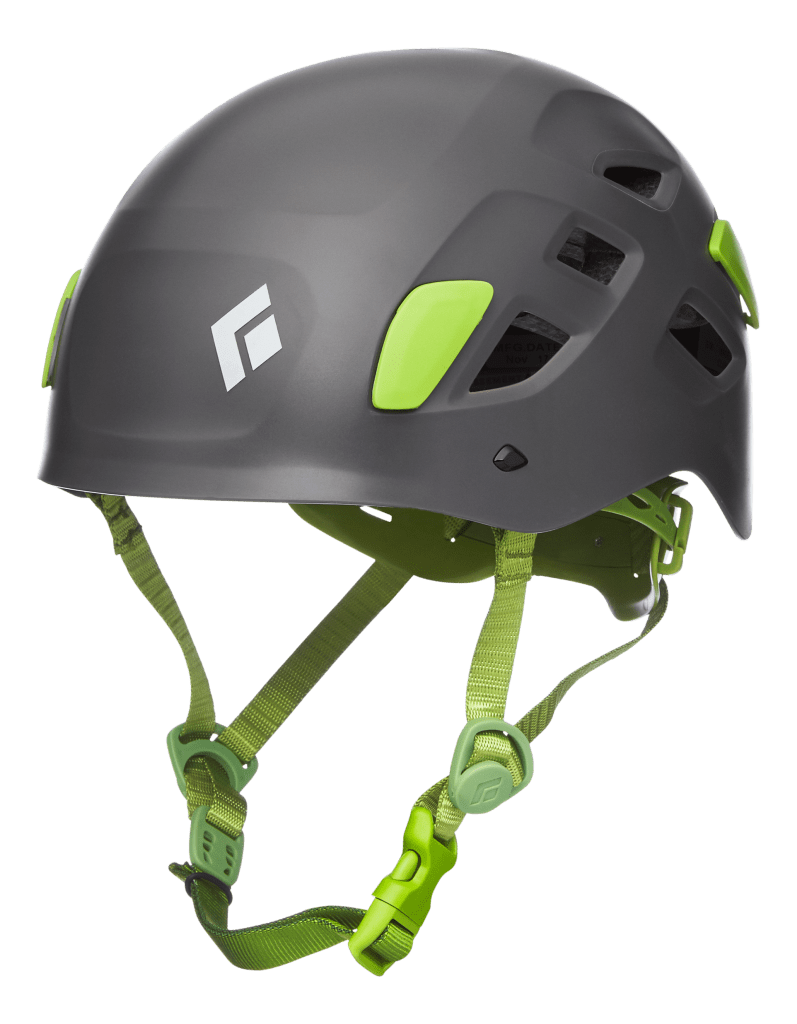
A helmet is pretty much essential when scrambling, gone are the days when an itchy woolly balaclava was sufficient headwear. These days helmets are light enough to neutralise any excuse for packing one and you should consider that you will be moving through some pretty varied terrain and loose rock will be a given. The Black Diamond Half Dome Helmet is the perfect introductory helmet for scrambling. It’s been a mainstay of the Black Diamond hemet range for many years, has stood the test of time and remains a popular choice for climbers of all abilities. It’s stylish, modern looking and has all the safety features you would be looking for in a climbing helmet, all at a great price point. At 350g the lightweight ABS shell is reinforced with an EPS impact foam and conforms to the strictest European and US safety certification. The full ABS shell is more hardwearing than hybrid style helmets and will easily take the knocks and scrapes that mountaineering demands of it. This also means that you’ll be getting your money’s worth as it should last longer (but always remember to retire it if it takes a direct hit). Comfort is guaranteed with the fully adjustable cradle and the one-handed dial adjustment means that you can easily adjust it to fit with a beanie or hood. The updated chin strap offers easier adjustment and it secures any spare strap to stop it whipping you in the face on those windy belays. Finally, there are plenty of vents and secure head torch clips for those early morning starts – or heaven forbid, those very late finishes (gulp!).
The Black Diamond Half Dome Helmet comes in two sizes S/M and L/XL and 4 colour options.
There is a female specific version which comes in one size and some updated colour options.
The SRP is an amazing £57.50 and it can be purchased directly from Black Diamond Europe and specialist retailers.
Edelrid Canary Pro Dry 8.6mm Rope
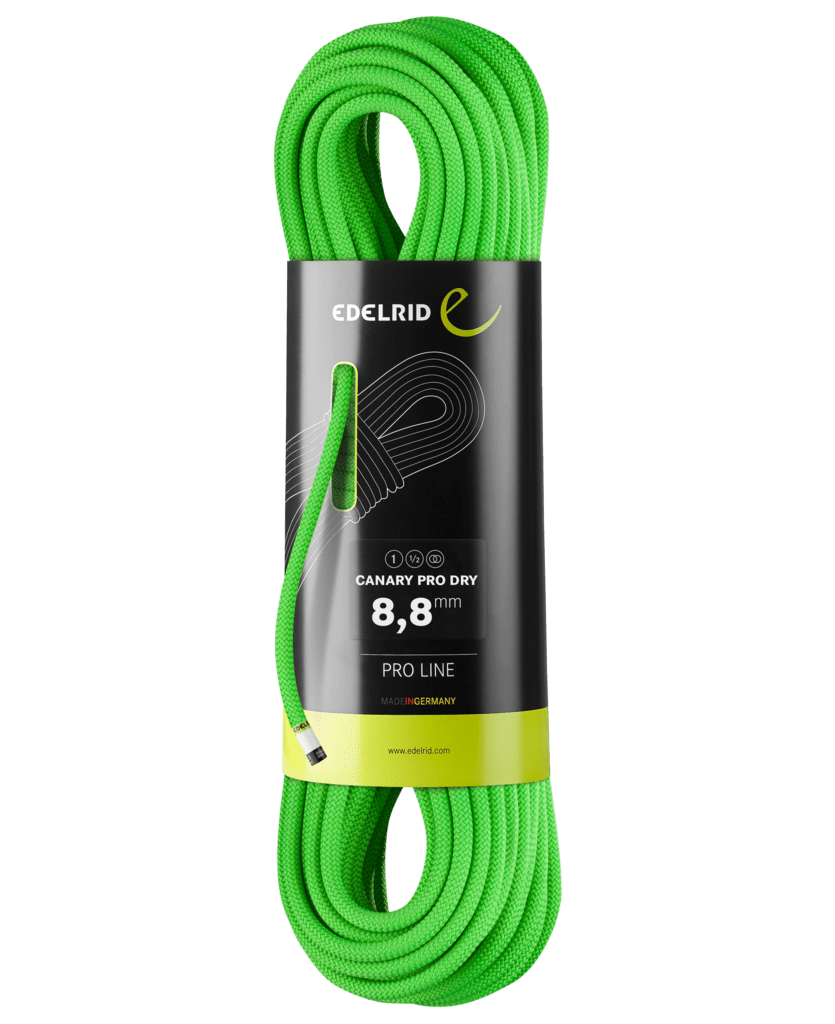
You may raise your eyebrows at the cost of this rope but you should consider that your rope is the primary component of your safety system. It is the single most important item you will use on any scrambling adventure – assuming that you are aiming to challenge yourself on some of the best and most technical scrambles. Also, you will be carrying any rope around in the pack for substantial parts of the day and only deploying it for technical ground. Dear reader, you do not want to be in the position of your dim-witted writer who smugly opened the boot of his car to show his super lightweight rope to climb the In Pin only to find that it was his fusty, fat climbing wall rope. I was severely punished by having to carry it around all day for the rest of the Cuillin Ridge and arrived back at the car bent of back and crooked of knee! The Edelrid Canary Pro Dry 8.6mm Rope is the epitome of a lightweight, modern alpine rope. Triple rated with a durable dry finish it is one of the thinnest and lightest ropes out there. It’s German made so you can be sire of the highest standards and safety conformity and its Bluesign certification ensures its sustainability credentials. It is highly supple and durable and its handling features are next to none. It’s perfect for using italian hitches for those direct belays, using with a pair of leather gloves will help when handling loads such as lowering and abseiling. We are recommending 40m of length as the optimum, enough for the infamous In Pin abseil and it will transfer to alpine climbing and glacier crossings as it will accommodate three climbers easily. The rope will grow with you as you skills and ambitions develop and I know you’re screaming “a £190, a £190” but believe you me the difference between this rope and a 10.2mm rope is massive and when you’ve been carrying around for 8 hours you’ll thank Edelrid for this amazing rope.
The Edelrid Canary Pro Dry 8.6mm Rope comes in two colour options and sizes 30 – 80m.
The SRP is £190 and it can be bought in the UK at specialist retailers and online.
Disclosure – CGR reviewers and writers are never paid to provide a review and the website does not take advertising or link to affiliate sales. We are a bunch of keen climbers and travellers who accept sample products and offer an honest and independent review of the item.
 Climbing Gear Reviews