
 Posted by
Multipitch free climbing is, in my opinion, one of the most rewarding climbing disciplines. Whether you’re swarming up a large moderate granite route such as the Cordier Pillar or projecting on a big limestone wall in the Verdon Gorge, choosing an appropriate rope and bag is key to the efficiency, safety, and comfort on the climb. It’s also a key tactic that will influence whether (or not) you can actually climb the thing free.
Do you climb in a day or over multiple days, do you climb with a pack on or haul a pack (maybe both) and do you choose a single rope, half/twin system or single rope plus a tag line?
So in this first article let’s start with deciding which rope system to use. The correct rope setup can make the difference between smooth pitches and tangled chaos or between easy retreats and complex rope management. It’s all a balance. Here I’ll discuss the main rope systems used for multipitch rock climbing (single ropes, half ropes, twin/half ropes, and tag lines), including when and why to use each. I’ll also talk about the current models and brands I’m using.
Single Rope Systems

A single rope system uses (you guessed it) one rope. Modern single rated ropes vary in diameter but usually range between 8.5mm (eg, Beal Opera) and 9.5mm in diameter for those suitable for multipitch trad or sport routes.
This is the simplest and most common system for sport multipitch climbing, but yes, also one that I use on some multipitch trad routes too.
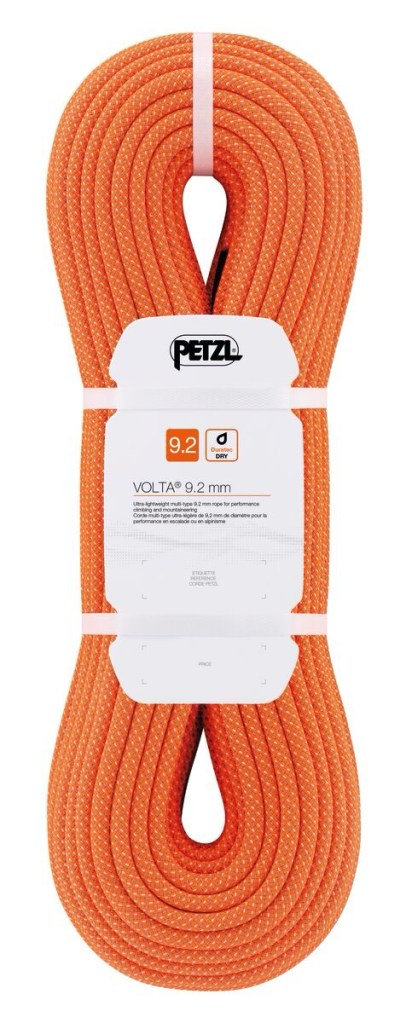
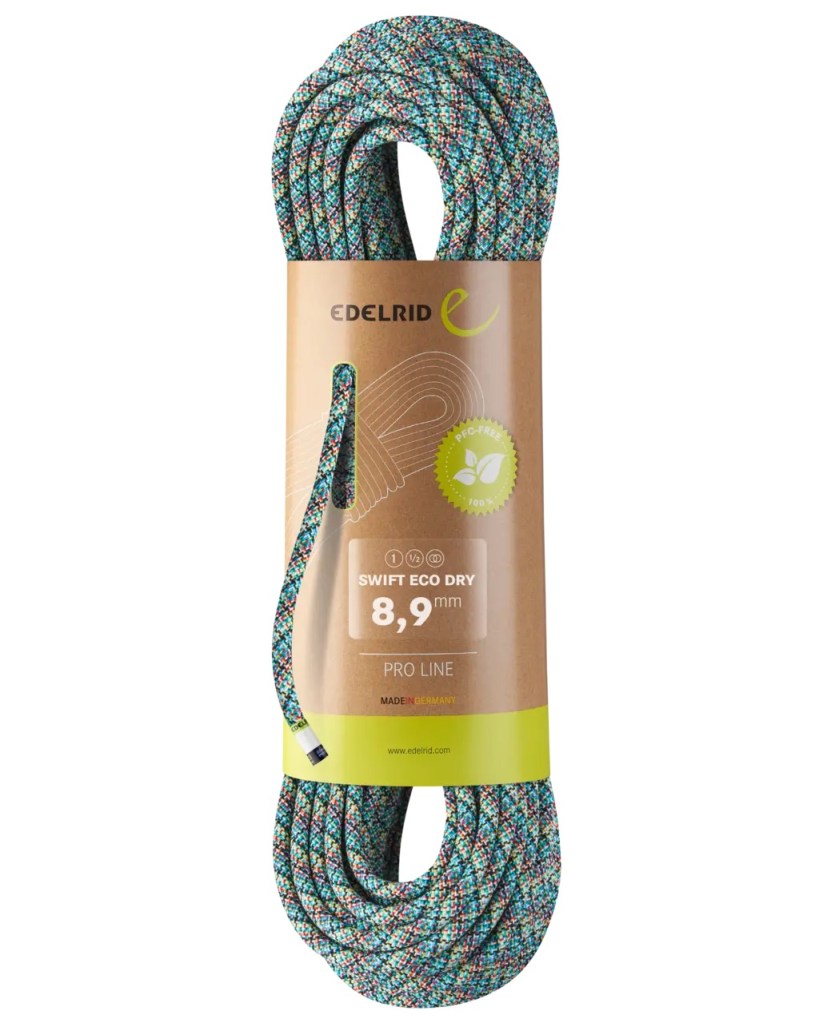
I might use something like a single 50m or 60m rope such as the Edelrid Swift 8.9 or the Petzl Volta 9.2 if the route is low commitment, has a descent that involves walking or is bolted for short rappels (sometimes a single 60m rope works well).
If I’m projecting on a sport multipitch route and trying to redpoint the pitches, I’ll likely take an 80m single sport rope. That way it’s usually possible to lower back to the anchor between tries. And in a lot of cases, do full length rappels.
Advantages of a Single Rope System:
• Simple rope management (less tangling, faster transitions).
• Lighter overall.
• Compatible with most belay devices.
• Ideal for relatively direct pitches and bolted climbs.
Disadvantages of a Single Rope System:
• Limited rappel length (you can only rappel half the rope’s length).
• More drag on wandering trad routes (lots of long extenders needed).
• Not ideal if retreating or complex descents are likely.
Best Use:
• Bolted multipitch sport climbs.
• Routes with straightforward descents (walk-offs or fixed rappel stations).
Recommended Single Ropes
Petz Volta 9.2 (link to our full mini review)
Ultra-lightweight, multi-type 9.2 mm rope for performance climbing and mountaineering
The VOLTA 9.2 mm single rope is lightweight, meeting the needs and climbers and mountaineers. Its Duratec Dry treatment gives it longevity and performance under a variety of conditions. Excellent grip and great handling make for easier manipulation.
Kev says: “I like the way this rope handles and the diameter feels reassuring on big walls. A great compromise between weight, handling and durability.”
Edelrid Swift Eco Dry 8.9 (link to our full review)
The world’s first ever PFC- and PFAS-free rope on the market that meets the UIAA water repellent standard.
Kev says: “ I’ve been using the Edelrid Swift ropes since they first arrived on the market. Thinner and a little stiffer than the Volta, this is a premium and solid rope that feels very durable for its relatively skinny diameter.”
Half Rope Systems (Double Ropes)

A half rope system (double ropes) uses two ropes (usually 7.5mm–8.5 mm in diameter), clipped alternately to protection. Each rope is independently rated, but not rated to be used alone as a single rope (unless it is a modern triple rated rope eg, Beal Opera 8.5), allowing the climber to manage rope drag and increase redundancy.
Advantages of Double Rope Systems:
• Reduced rope drag on wandering pitches.
• Full-length rappels (tie ropes together for double-length descents).
• Greater safety margin — if one rope is cut by a sharp edge, the other remains intact.
• Easier rope management on traverses and wandering trad lines.
Disadvantages of Double Rope Systems:
• Heavier overall weight and more complex rope handling.
• Requires more experience to belay and manage efficiently.
• Harder to haul or jumar on compared to a single rope.
Best Use:
• Trad multipitch routes with complex lines.
• Alpine or ice routes where rope damage is a concern.
• Long routes requiring full-length rappels.
Recommended Double Ropes
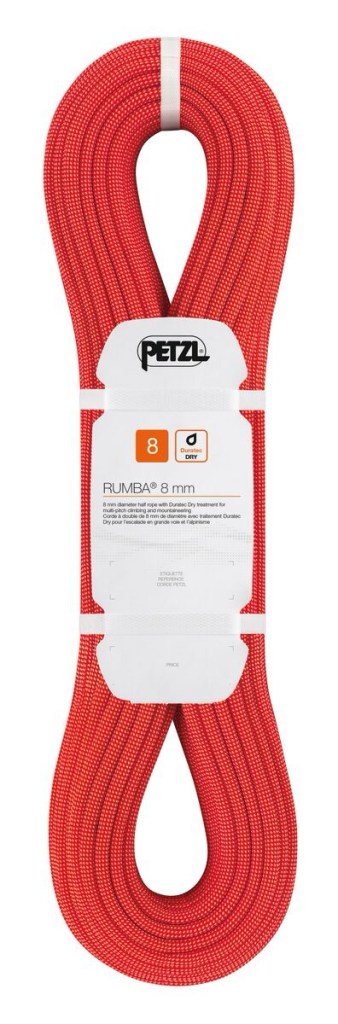
Petzl Rumba 8mm (link to our full review)
8 mm diameter half rope with Duratec Dry treatment for multi-pitch climbing and mountaineering – rated for double and twin use.
Kev says: “For me the Petzl Rumba is a hard wearing and versatile half rope that handles well, can be used twin or double and has an excellent dry treatment that is also perfect for winter use. The ropes feel a little slippery to handle at first but this improves after a few outings.”
Half Rope Systems (Twin Ropes)

Twin ropes are also two thinner ropes (typically 7.5–8.0 mm), but unlike half ropes, both ropes are clipped into every piece of protection simultaneously. This setup is less common than half ropes in places like the UK, (but actually quite a common sight in Europe) but offers similar redundancy and rappel benefits.
Advantages of Twin Rope Systems:
• Full-length rappels.
• Extra safety if one rope is damaged.
• Lighter than half ropes for some models.
Disadvantages Twin Rope Systems:
• More rope drag than half ropes since both ropes are clipped together.
• Requires twin-rated gear and more careful rope management.
• More complex to belay than with a single rope.
Best Use:
• Ice and alpine routes where its nice to have some extra redundancy and long rappels are needed.
• Less ideal for trad rock routes with wandering lines.
Recommended Single Ropes
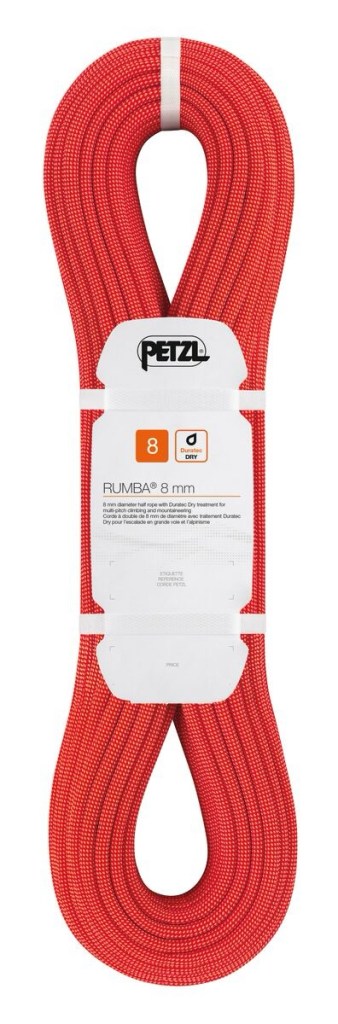
Petzl Rumba 8mm (link to our full review)
8 mm diameter half rope with Duratec Dry treatment for multi-pitch climbing and mountaineering – rated for twin and double use.
Kev says: “For me the Petzl Rumba is a hard wearing and versatile half rope that handles well, can be used twin or double and has an excellent dry treatment that is also perfect for winter use. The ropes feel a little slippery to handle at first but this improves after a few outings.”
Single Rope + Tag Line System
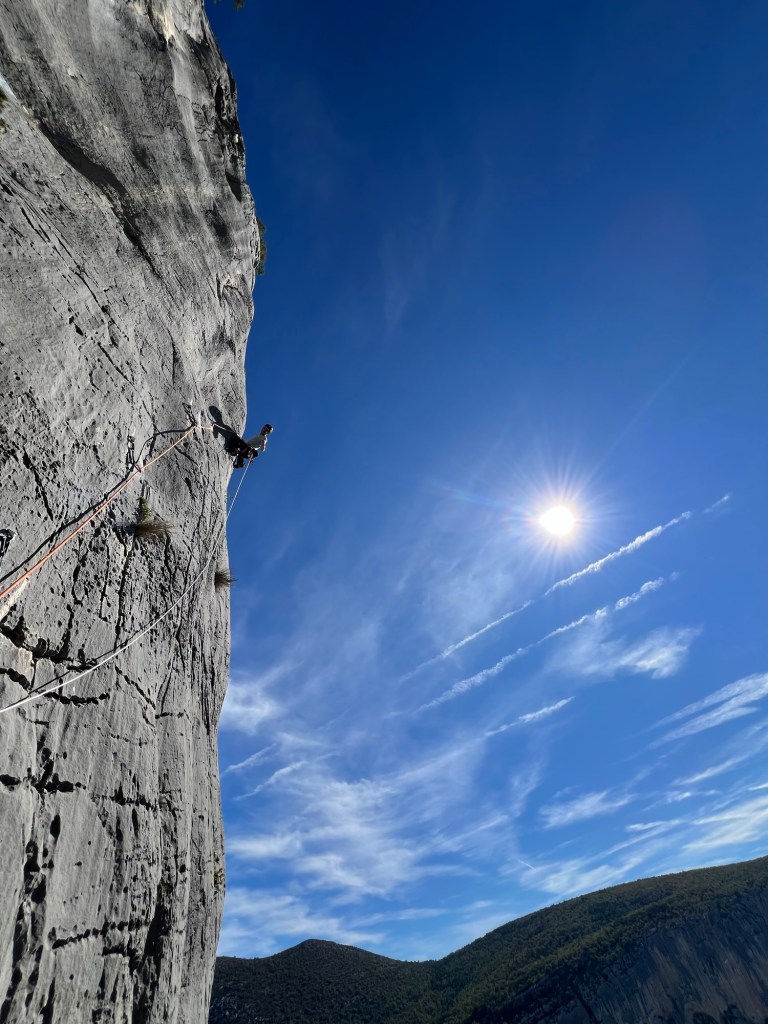
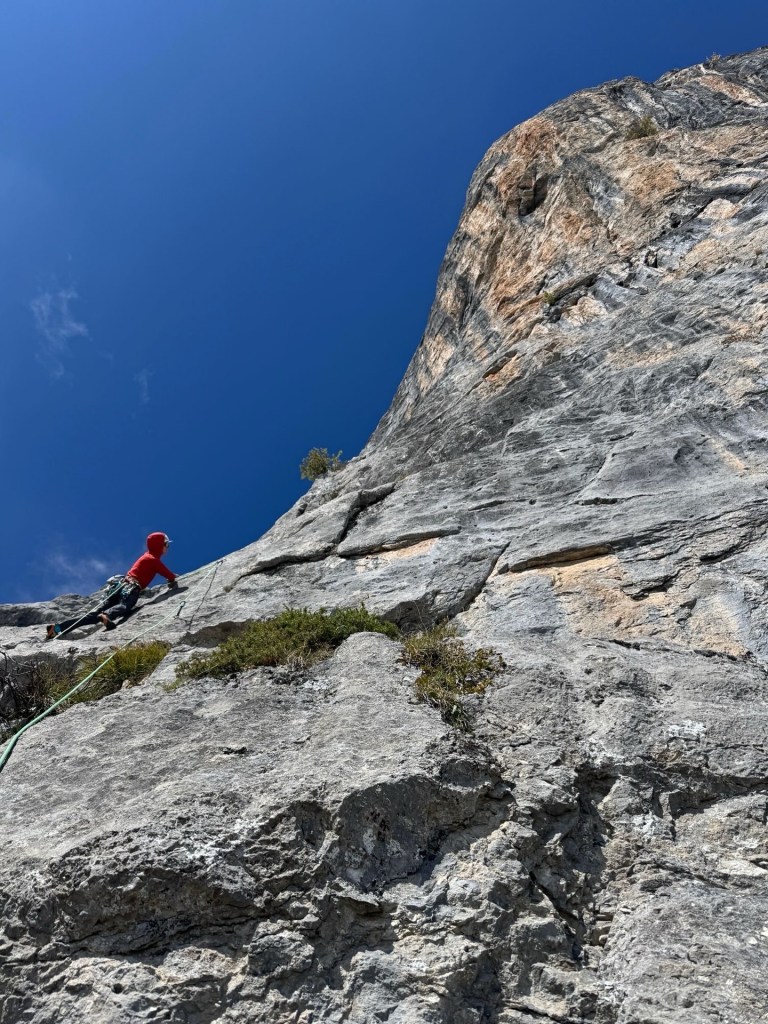
A tag line system uses a standard single rope for leading and a thin cord (typically 6–7 mm static line but can be thinner eg, 4mm) for hauling or rappelling. The tag line is not used for protection, only for rappelling or hauling gear. I’ll say more about this system in the next part of the article when I talk about bags.
How It Works:
The lead climber clips into protection using only the single climbing rope. The tag line is trailed behind and then pulled up once the leader is at the belay. For rappelling, the main rope and tag line are tied together (usually with an overhand or EDK), allowing full-length rappels.
With a 7-7mm tag eg, Edelrid Rap Line 2 and a 9-9.5mm single climbing rope you can just rap as if you were on 2 ropes however with skinnier tag lines eg, Petzl Pur’Line or the Edelrid 4mm tag line, this should be set up just so that the tag is just used for retrieving the main climbing rope (see image for one way of setting this up.)
The tag line can be used to haul your bags, so you can climb without a pack.
Advantages of Tag Lines:
• Lightest way to gain full-length rappels with a single rope system.
• Simple leading system for the climber as there is no need to manage two lead ropes, although there is an extra degree of management needed from the belayer for the tag itself.
• Useful for hard free climbing where the leader wants the simplicity of leading on a single rope and without a pack. The tag does add extra weight for the leader though.
Disadvantages of Tag Lines:
• The tag line is not dynamic so never lead or fall on it.
• Tag lines are prone to tangling and wind drift during rappels (you need to have your systems dialled to avoid this), with the skinniest tag lines being the most prone to tangling.
• Can be difficult to manage in alpine or windy conditions or on less steep terrain.
• Requires caution when pulling ropes to avoid stuck knots and tangled ropes.
Best Use:
• Long multipitch routes with straight pitches and long rappels.
• Fast alpine or adventure routes where weight savings are key.
• Routes where hard free climbing is the goal and you’re hauling your gear behind.
Recommended Tag Lines
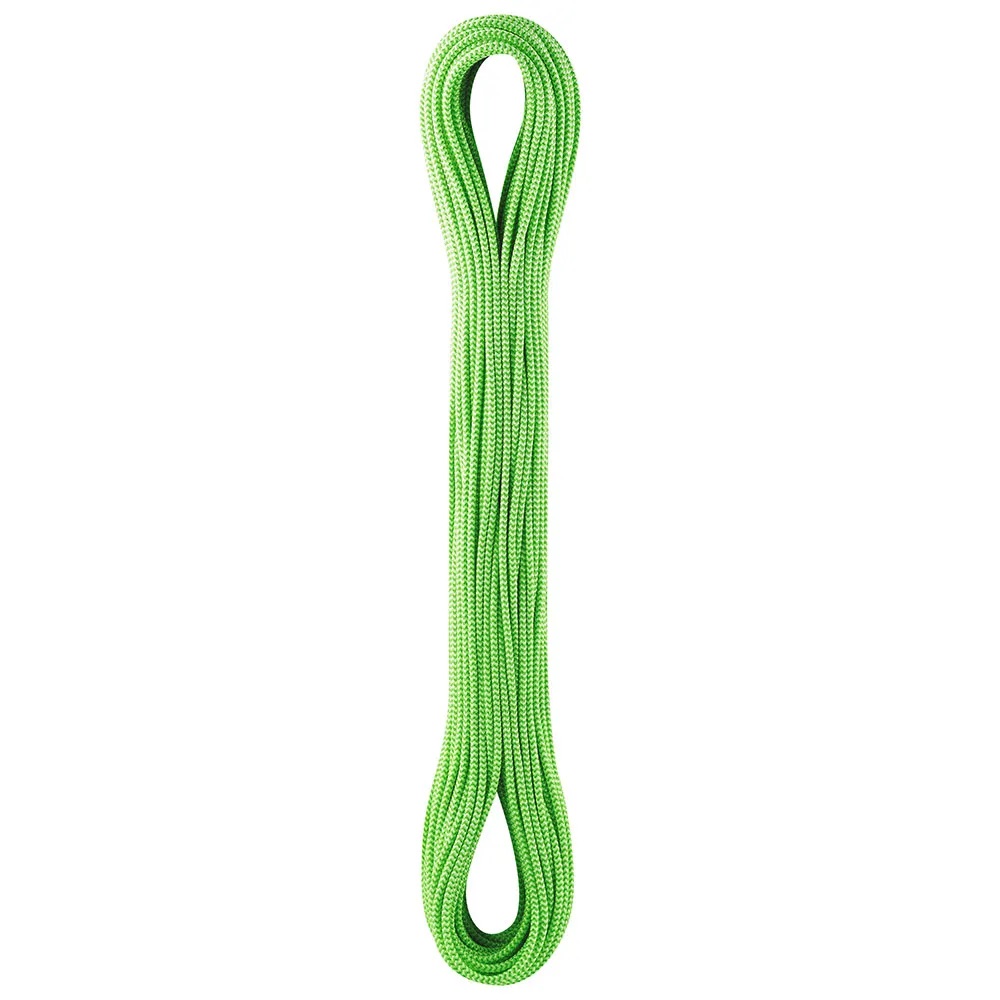
Edelrid 4mm Tag Line
With a weight per meter of just 10 g, our TAGLINE is by far the lightest tag line on the market. This is made possible by the ultralight, high-strength Dyneema® core, which is protected by a sheath made from 75% Dyneema® and 25% polyester. The polyester not only makes the rope easier to knot but also easier to grip, which is particularly important when hauling. The TAGLINE is also ideal for retrieving the rope when rappelling. Anyone who likes to climb multi-pitch routes or big walls with a single rope will find the TAGLINE the perfect addition—and in most cases lighter than two half or twin ropes.
Kev says: “This is the lightest tagline on the market at 10g/m and would be my go to for hauling a day bag, particularly if climbing lots of difficult pitches or redpointing.”
Petzl Pur’Line 6mm (mini review here)
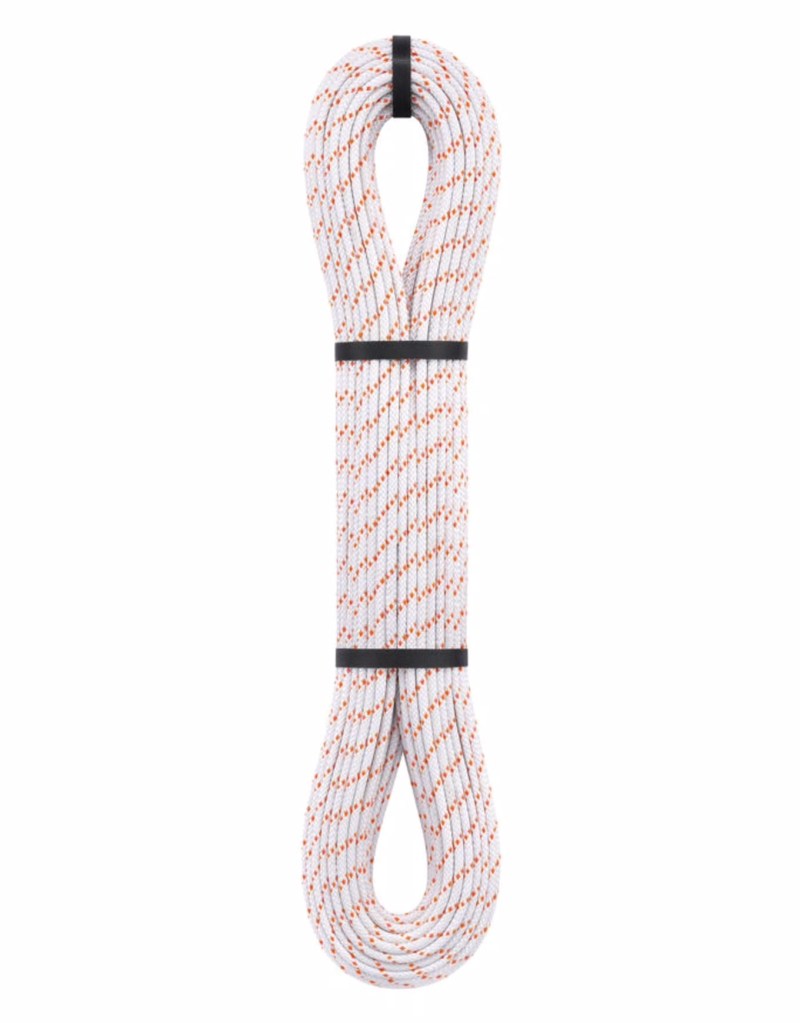
Ultra-lightweight and ultra-durable hyperstatic cord designed for climbers and mountaineers to haul packs and retrieve single certified ropes during rappels
Designed for climbers and alpinists, the PUR LINE 6 mm is an ultra-lightweight and ultra-durable cord for hauling a pack or retrieving a single rope during a rappel. It is hyperstatic and features a rough sheath for good grip and easy handling.
Kev says: “ A little heavier per metre but this feels substantial enough to haul some heavier loads eg, on a 3 day mission with a portaledge. Great handling and behaves itself pretty well for a skinny tag line.”
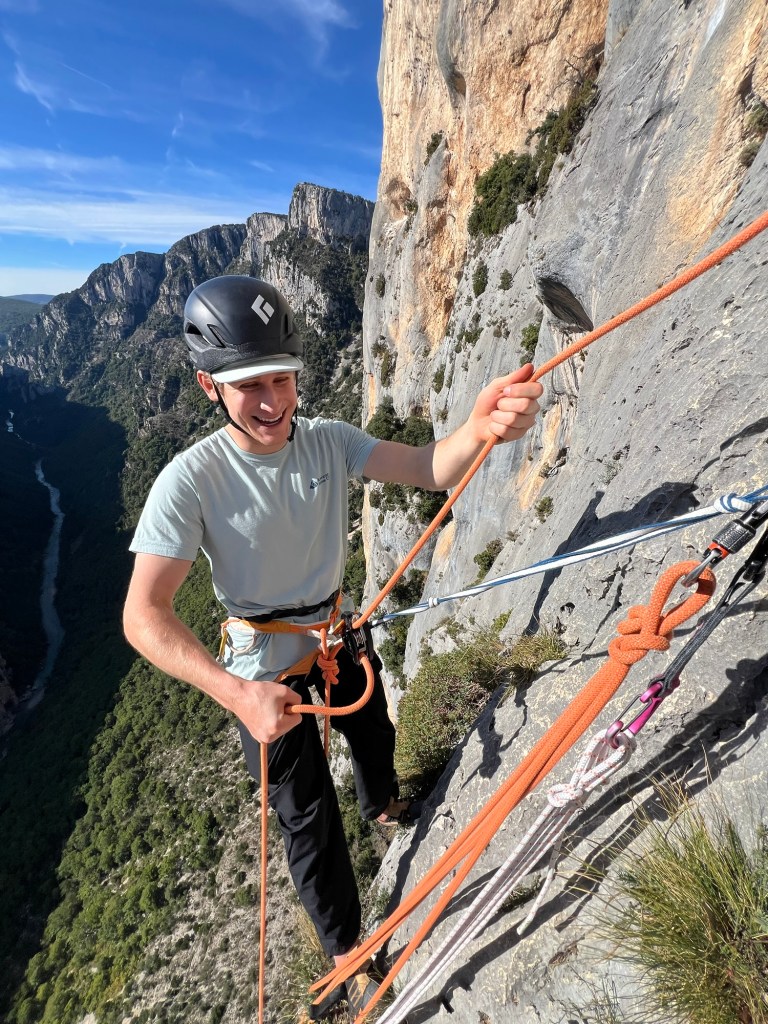
Tip: Sometimes I’ll use a skinny (triple rated) single alongside a skinny half rope and use the half rope to pull the bag whilst leading on the skinny single. Then I have the flexibility to also switch to climbing with a double/twin system and also do full length rappels if needed.
The downside of this is that the half rope is heavier than a tag, but then the full system isn’t really much heavier than climbing on two half ropes.
With all these systems we have to weigh up the pros and cons and decide which elements we most need and which trade-offs we’re prepared to do without or put up with.
Up Next – PART 2 – Bag systems…
About the author
If you want to learn more about rope systems for multipitch and alpine rock climbs, Kevin Avery is an IFMGA Mountain Guide based near Chamonix, France. He specialises in bespoke multi-pitch and alpine rock climbing adventures. You can check him out @kevinavery.mountainguide on Instagram or email truenorthalpine@gmail.com to make a booking enquiry.
 Climbing Gear Reviews