
 Posted by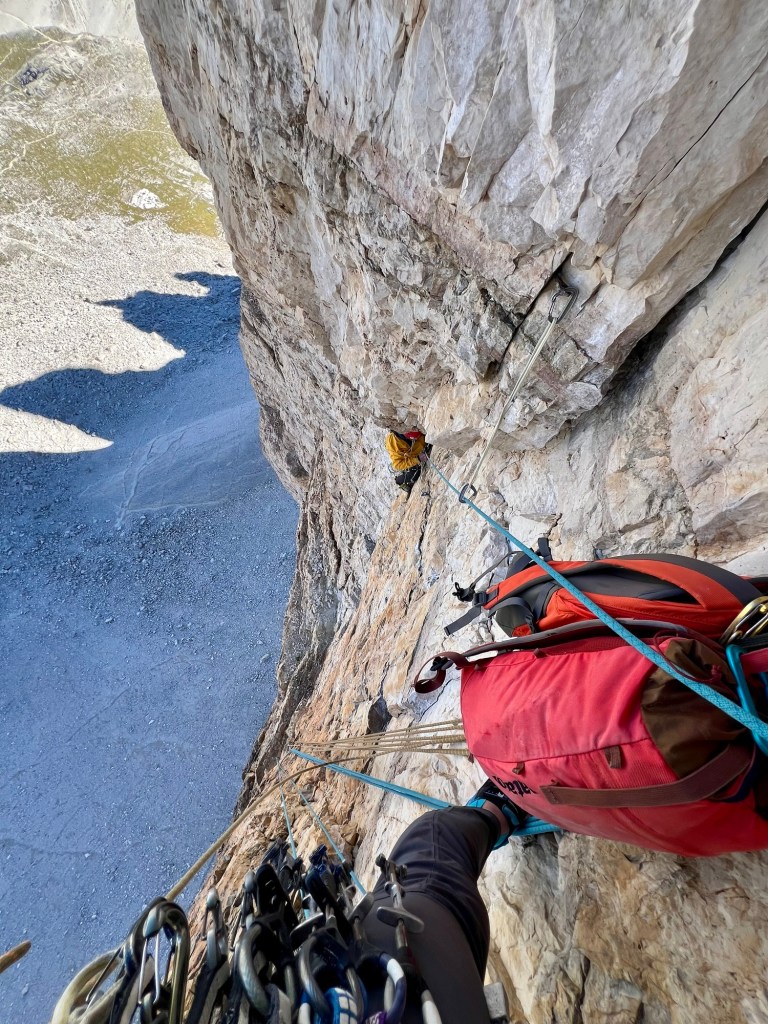
Anyone who loves the movement of technical rock climbing will agree, rock climbing with a backpack on, even a small one, is not much fun. There are exceptions, but generally my go to choice for multipitch free climbing is that the leader and second don’t carry a backpack. Then the climbing can be fully enjoyed by all members of the team.
So what options do we have for carrying the gear that we need on multipitch rock routes?
Well some of this depends on the length of the route, the difficulty and also the style we wish to climb in. For the purposes of this article, let’s just presume we’re climbing “free” as opposed to pulling on gear.
Also, in more alpine terrain where we have glacier approaches, there is an extra layer of gear that we need to consider such as boots, axe and crampons. So do we carry this up the route because we need it for the descent, or is it possible to leave it at the base and rappel back to it? This will influence both our pack and our rope strategy.
NB: This is the second of our “Multipitch and Alpine Rock Climbing” articles. You can read the first article “Rope Systems” here.
Pack and Bag Systems I Commonly Use (often lots of variations and combinations on this)
- No pack, no hauling
- Second carries a pack
- Leader and second carry a (small as possible) pack
- Haul bag(s)
STRATEGY:No Pack, No Hauling
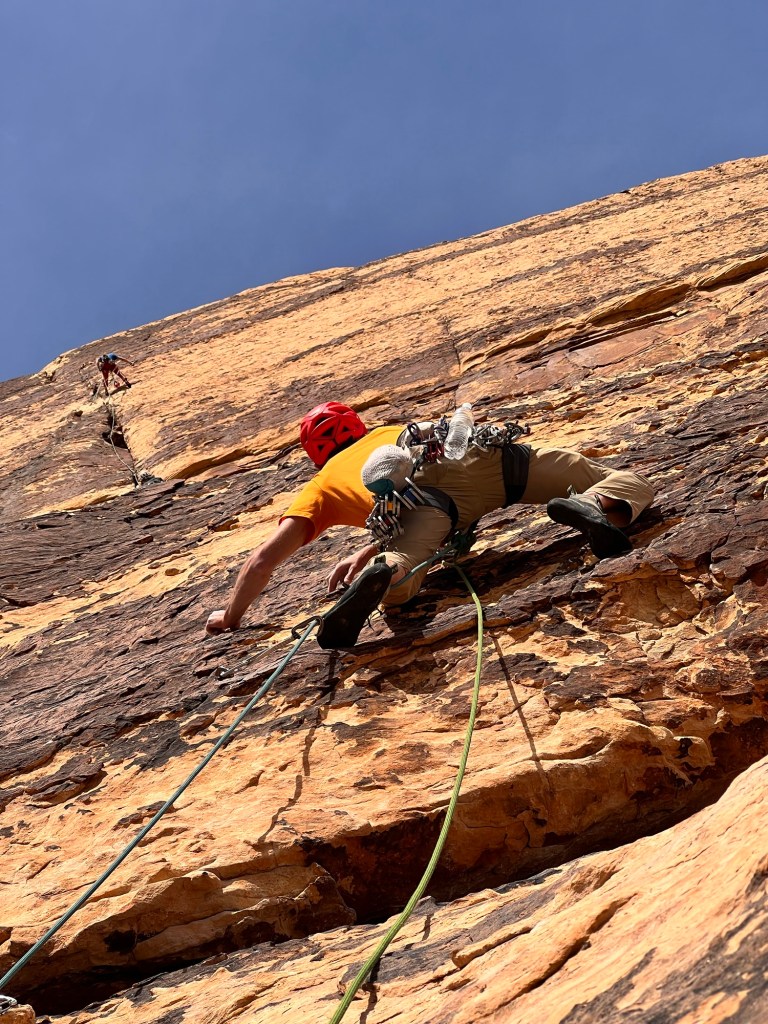
In essence, this means that we are just climbing the route with the minimum of equipment that we need. This might be a case of pretty much nothing – no food, no water, no extra clothes and no approach shoes (on eg, a short, easy multipitch with abseil descent in perfect weather) or it might be that we carry a bit of water clipped to our harness, our approach shoes clipped to our harness, a small duvet jacket and some snacks in a stuff sack, also clipped to our harness (eg, on a longer more technical route). This might sound like a lot of stuff clipped to your harness, but personally I prefer that weight around my waist rather than in a small pack restricting my movement and pulling me around.
This system works well using a single rope or twin/half ropes.
Advantages of No Pack, No Hauling
- Simple system allowing you to climb with minimal gear
- No restriction of the shoulders and upper body from wearing a backpack
- Both leader and second climb unhindered
Disadvantages of No Pack, No Hauling
- There’s a limit to what you can carry on the route
- Potentially a lot of gear hanging off your harness, particularly if you are carrying a large trad rack
- Can feel a little more committing
Best Use
- Bolted multipitch routes where the climbing is at on-sight level.
Recommended Gear
Avant Climbing Solutions “Snack Pack”
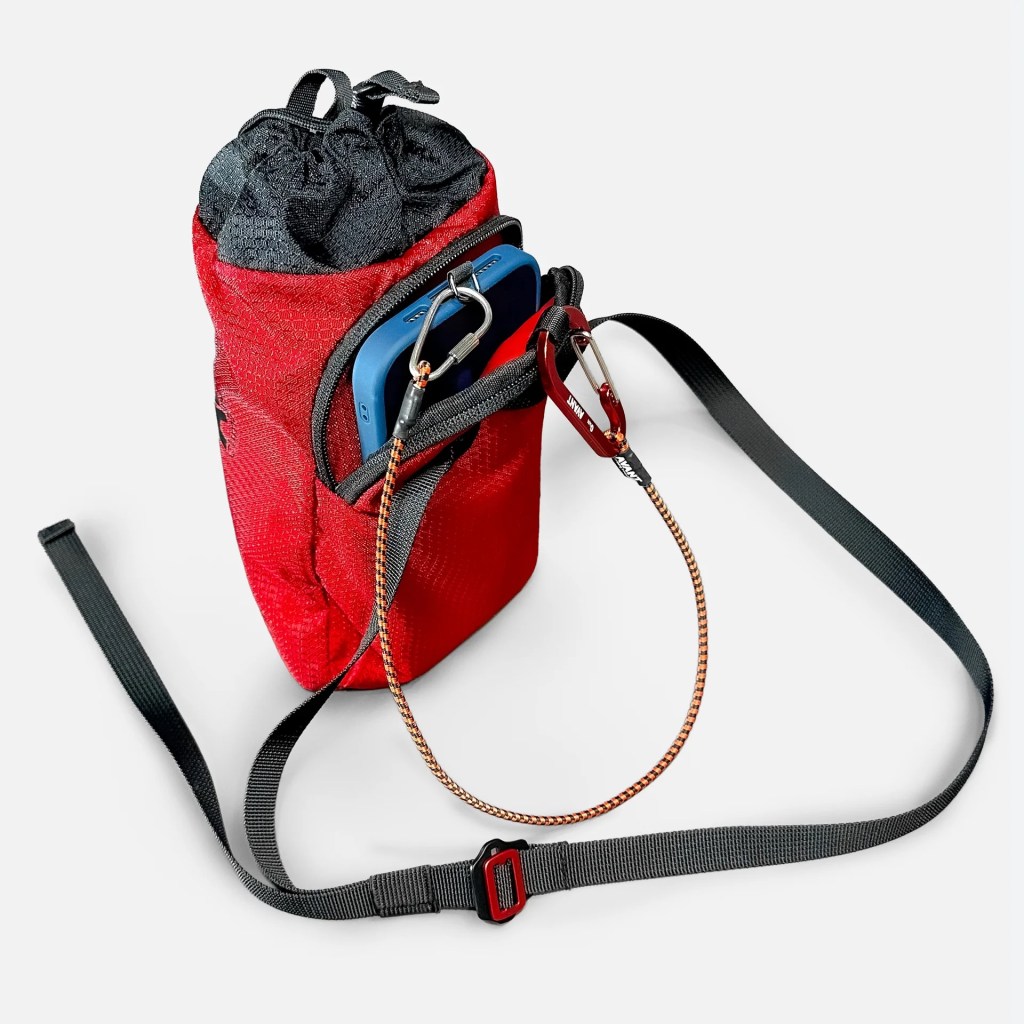
The Snack Pack is the best pack you never knew you needed. “Yes but it’s basically a stuff sack!” I hear you say. But stuff sacks never hang well, they’re generally bulbous, hard to organise your gear in them and often not very tough. The snack pack has a 1L main compartment and a separate phone compartment the back complete with “tech tether”. Big enough for snacks, half a litre of water, windproof and other essentials like tape. It’s carried chalk bag style on its own belt and can be positioned out of the way when climbing but is easy to access at belays.
Available for €38.95 from the Avant website.
STRATEGY:Second Carries A Pack
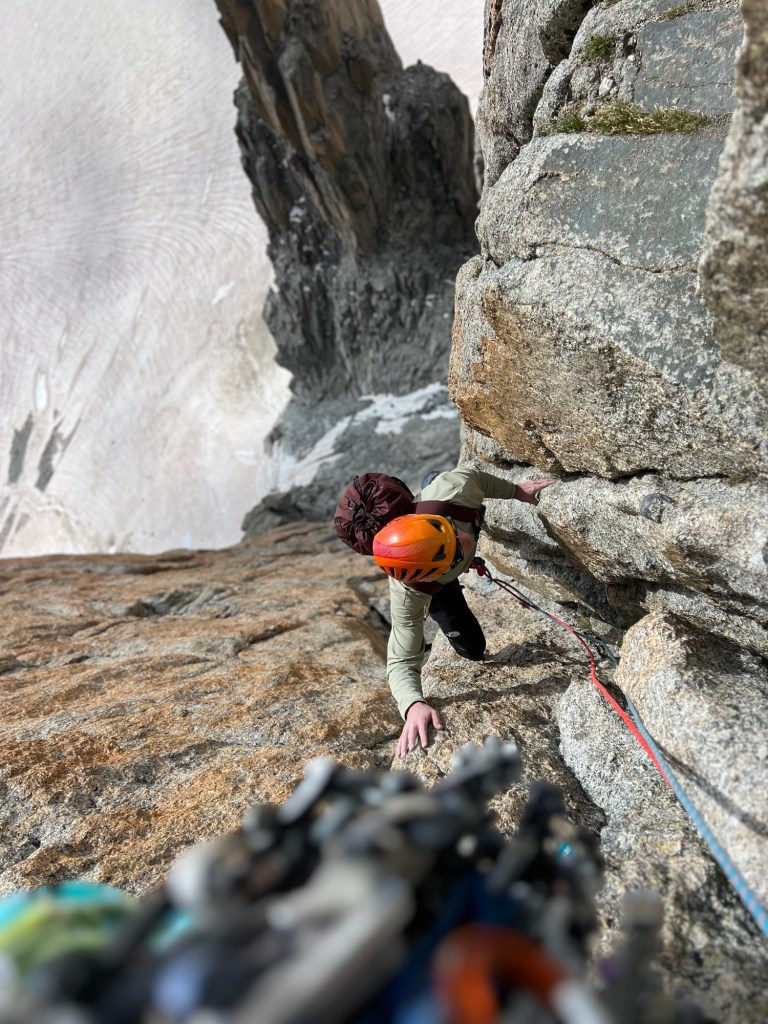
If you’re going to carry a slightly heavier backpack up a multipitch rock climb, it seems only fair that the person on the blunt end of the rope is the one to carry it. This might mean that the majority of your kit is in that bag (eg, food, water first aid kit, clothes and both pairs of approach shoes).
The leader might still have a few bits on their harness such as a light jacket and a few snacks, maybe even their approach shoes, but the bulk of the gear would be in the pack carried by the second. This system is not my favourite (unless I’m the one doing all the leading) as the pack tends to be bigger and the second definitely ends up with a less fun experience, but it can be effective on terrain that isn’t too hard and then depending on which rope system you are using, the pack can be hauled on the cruxes leaving both climbers to enjoy the climbing.
If you’re adopting this method, try to keep the size of the pack and the weight and what goes in it, to a minimum.
You could climb on a single top with a tag line for hauling the crux pitches if necessary, or use a half rope and skinny single and haul on the half rope when needed.
Advantages of Second Carries A Pack
- The leader climbs free and unhindered
- Can be quite quick and efficient
- Can take a little more gear for the team so feels less committing.
Disadvantages of Second Carries A Pack
- The second has a way less enjoyable experience
- Still a limit to what you can carry as a team
Best Use
- Longer, more moderate routes where you might want to or need to take more gear. Maybe the climb has the odd steeper crux pitch where the pack can be hauled.
Recommended Gear
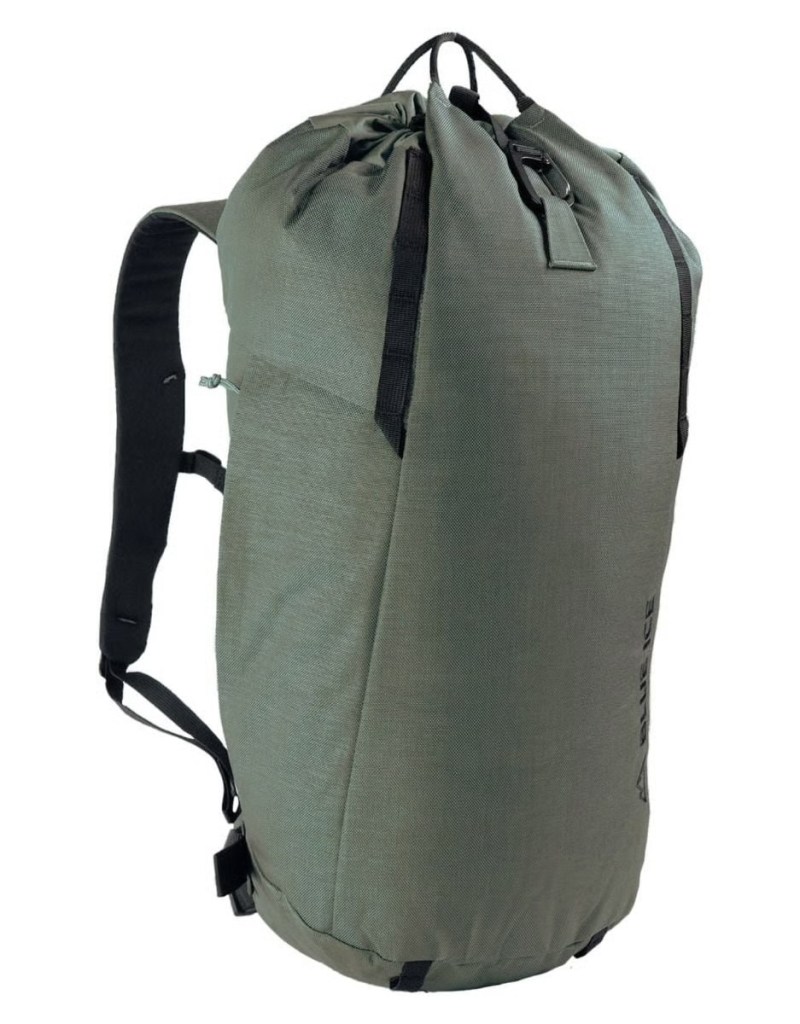
Blue Ice Wadi 22 or 32 (read our in depth review here)
Blue Ice Alpine Hauler
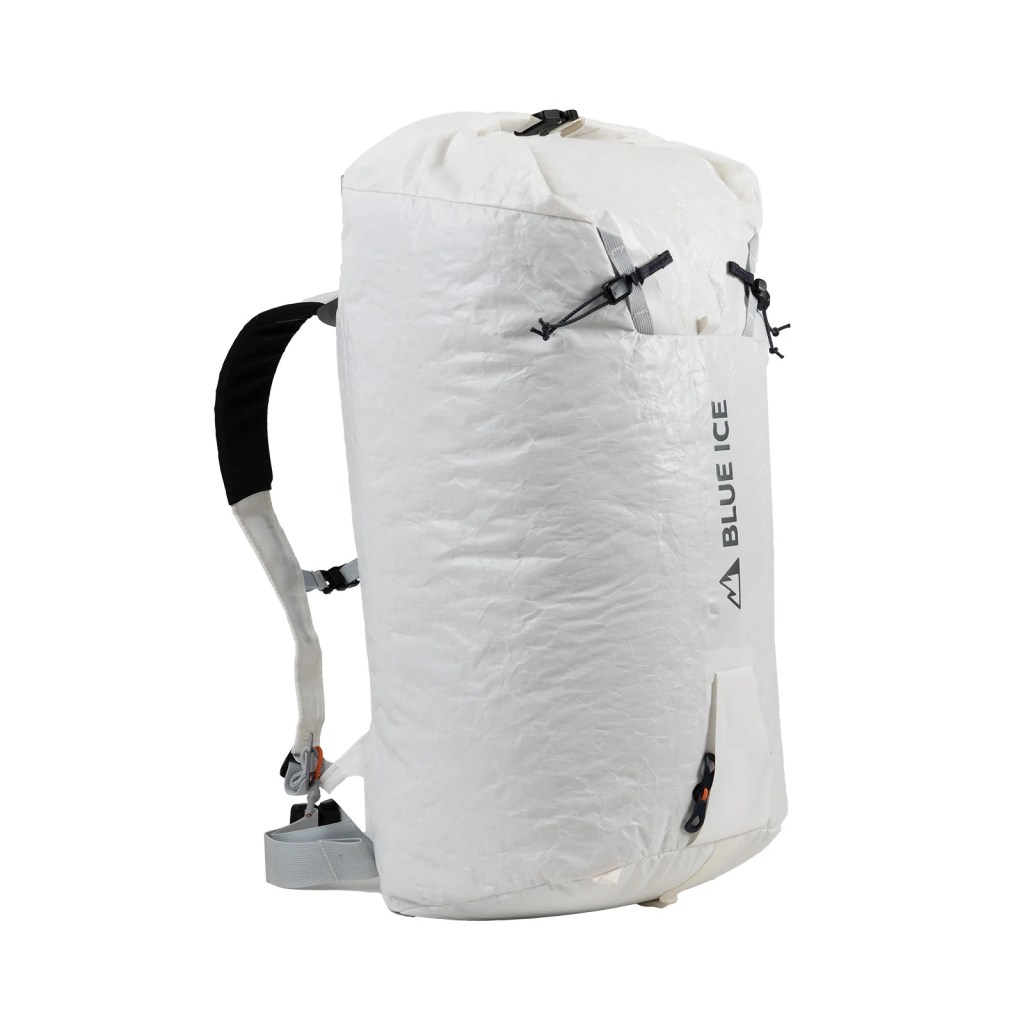
The Alpine Hauler is a very clean (no unnecessary features) and very white backpack, designed to carry all your gear to the cliff and then be hauled up the route behind you. It’s configured so the straps and waist belt tuck away and the whole thing can be hauled without anything snagging.
So how is this different to a proper haul bag? Well firstly it’s considerably lighter. This has a 45 litre capacity and weighs 575g and to compare, Black Diamond’s 40 litre Wall Hauler weighs 1.99kg (almost 4 times as much). The Alpine Hauler, whilst being made from ALUULA Durlyte which has an exceptional strength to weight ratio and abrasion resistance, is most definitely not as tough though. And at €360 is considerably more expensive. It is much more comfortable to actually wear whilst climbing than a proper haul bag though, but it is still a bit too large as an out and out second’s pack and I’d love to see a 30 litre version of the same pack (Blue Ice Designers – think WADI 32 in ALUULA). In my opinion this pack sits more as an “occasional hauler” and it does that job well. In short, it sits somewhere between a haul bag and big second’s pack.
You can buy the Alpine Hauler at the Blue Ice Website
STRATEGY:Leader and Second Carry a (small as possible) Pack
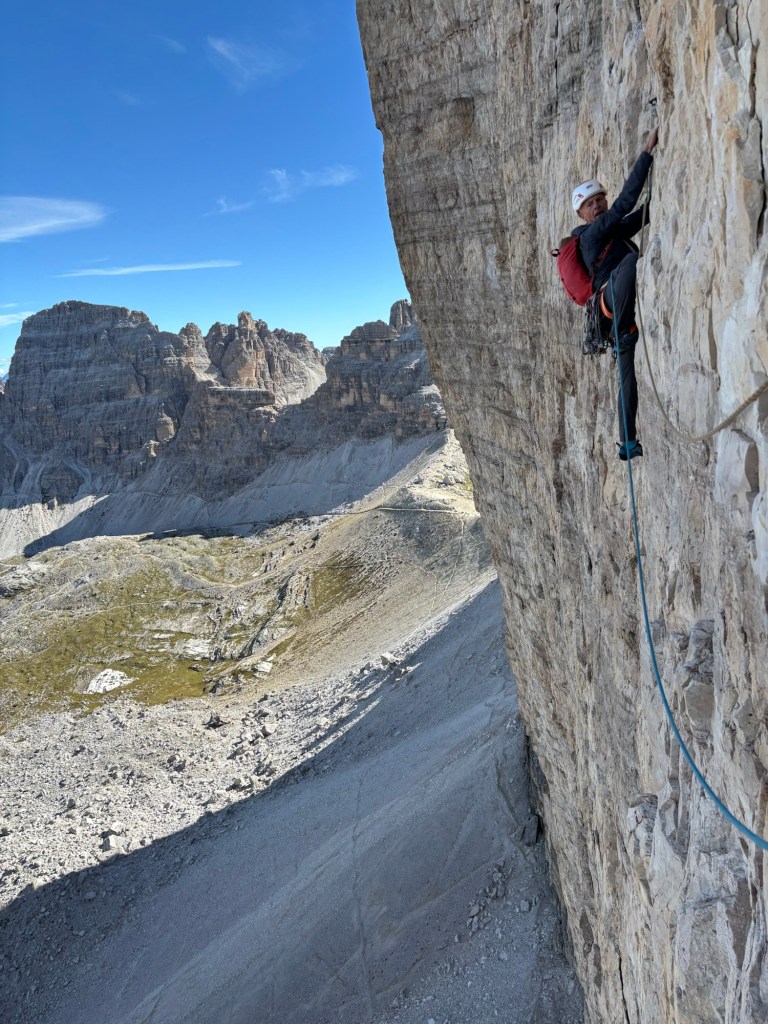
This system might be used similarly to the Second Carries A Pack system but the gear is divided more equally or at least as such that both climbers have a light enough pack so they can still enjoy the climbing. Again on the crux pitches, there is the possibility that both packs can be hauled.
Again could climb on a single rope with a tag line for hauling the crux pitches if necessary, or use a half rope and skinny single and haul on the half rope when needed, whilst climbing on the single.
Advantages of Leader and Second Carry a (small as possible) Pack
- Can carry enough gear for longer and more committing routes
- Relatively comfortable for leader and second
- Can still haul the packs on the cruxes
Disadvantages of Leader and Second Carry a (small as possible) Pack
- Limit to what you can carry
- Not ideal for either member of the team on hard pitches
Best Use
- Best on long routes where both climbers can climb most pitches comfortably with a pack and there is the option of hauling one or both packs on cruxes and steeper pitches, but perhaps hauling on the whole route would be slow or some pitches too awkward to haul a bag.
Recommended Gear
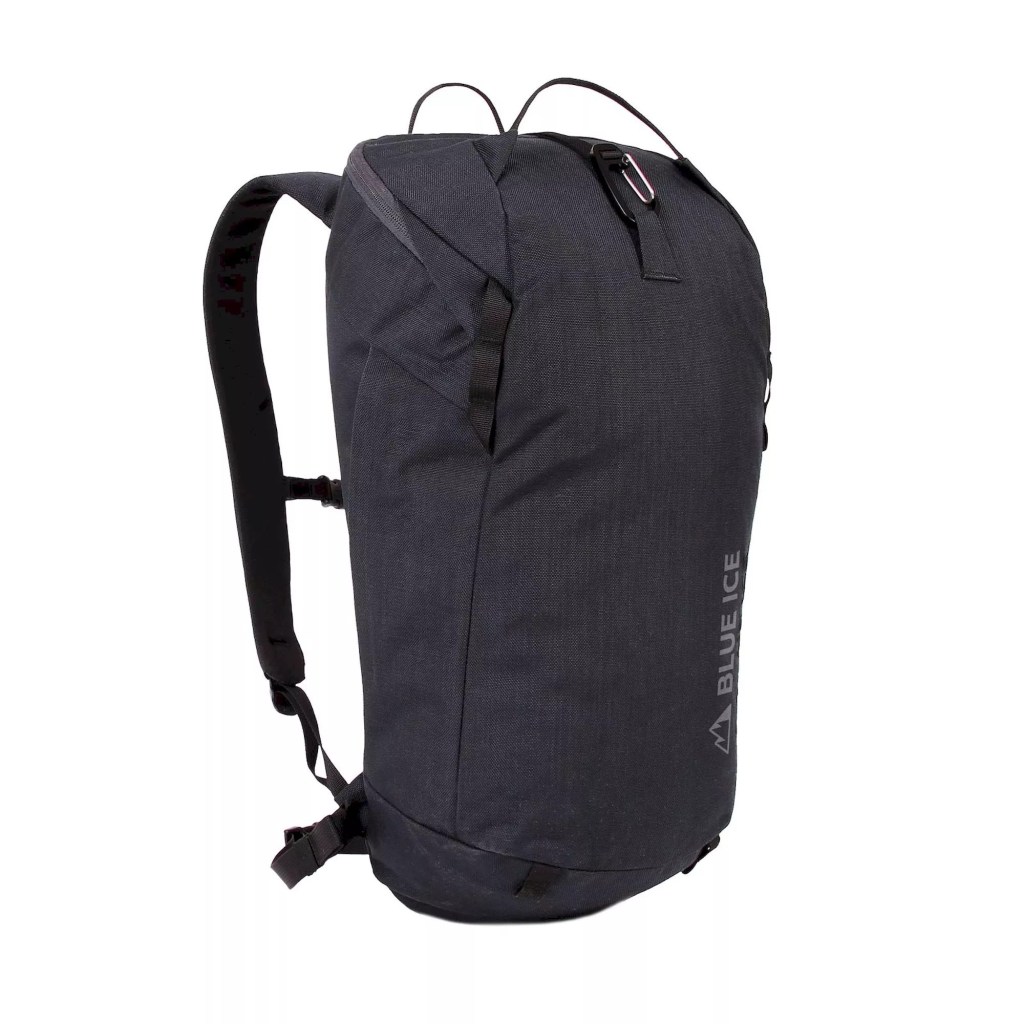
Blue Ice Wadi 15
The Blue Ice Wadi packs are my favourite packs for multipitch rock climbing due to their robust and clean design. The Wadi 15 is the smallest in the range and perfect for carrying multipitch essentials whilst still being small and compact enough whilst climbing. It’s tough enough to haul past the crux pitches too.
You can find out more about the Wadi 15 and buy from the Blue Ice Website
Petzl Bug (link review)
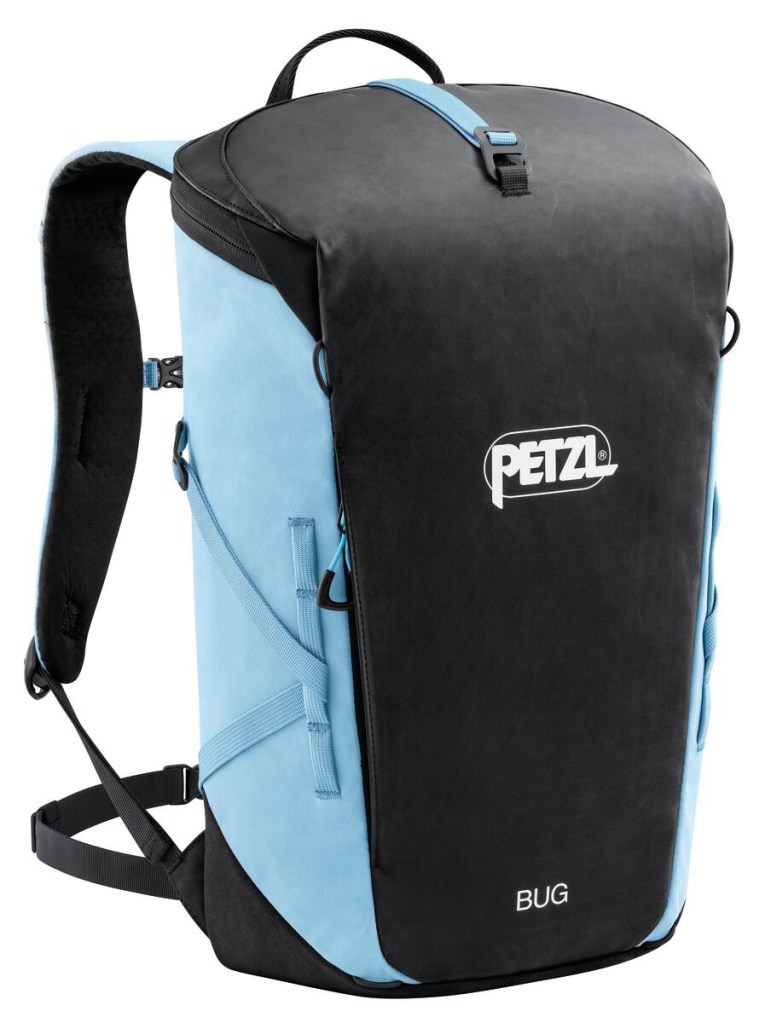
The updated Petzl Bug is the ultimate companion for those who live for vertical mileage and professional versatility. Here is why it excels on the wall and in the workspace:
- High-Clearance Fit: The pack is specifically shaped to sit high on your back, providing full access to your harness gear loops and chalk bag while you move.
- Belay-Safe Access: A clever 3/4 clamshell opening allows you to grab gear at hanging belays without the risk of dumping your kit down the face.
- Rugged Durability: Built with a TPU-reinforced front panel and high-tenacity fabrics, it’s engineered to survive being hauled or scraped against abrasive granite and limestone.
- Integrated Gear Management: Features a dedicated rope-carry strap on top and a removable helmet holder, keeping your technical essentials secure during the approach and descent.
Find out more and find a retailer at the Petzl website
STRATEGY: Haul Bag
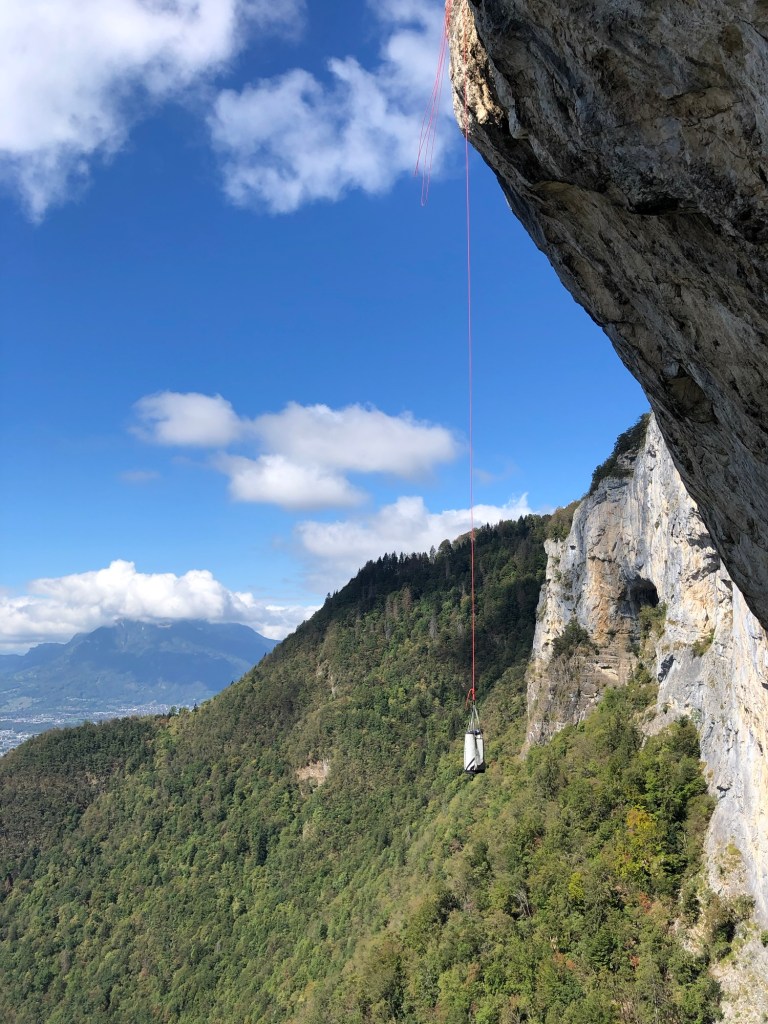
The leader climbs usually on a single rope and trails a tag line behind. At the end of the pitch he fixes the tag line and uses a locking pulley eg, Petzl Nano Traxion to haul the bag up to the belay. The second then follows the pitch conventionally belayed from above.
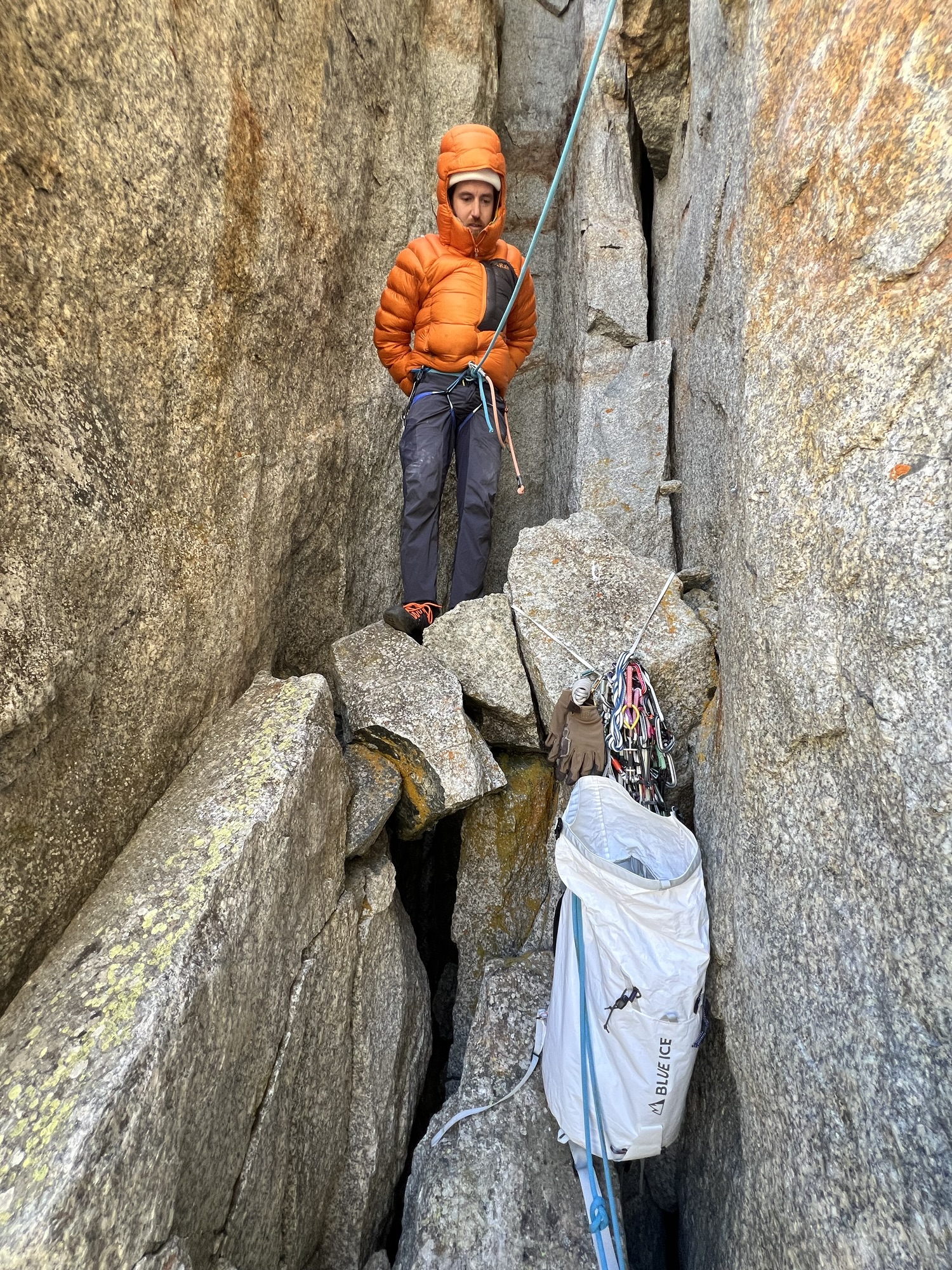
In terms of freeing up both leader and second to enjoy the climbing, this is generally the best way. It’s also the best way for trying hard routes or routes that are at/near your limit, with pitches that may require redpoint attempts. It can be hauling a small day bag or more gear and a portaledge for a multi day adventure.
Obviously the hauling is work in itself, particularly if you have multi day kit. There is also a danger of the bag getting jammed on less steep terrain or in corners and chimney features etc, but with efficient rope systems and practice, hauling can be pretty easy. Hauling would be my general preference when climbing more difficult routes but as I said at the beginning, any situation where I don’t have to climb with a pack on, would be my general preference. For regular hauling I recommend a proper haul bag such as the ones recommended below, the size of which is dictated by how much stuff you would like to take!
You can refer back to part one of our article series for advice on tag-line choice.
Advantages of Haul Bag
- Allows both leader and second to climb at their limit
- Perfect on harder routers such as max onsights or multipitch redpoint projects
- Can carry plenty of gear (although the hauling is work, so don’t go crazy)
Disadvantages of Haul Bag
- Requires practice to haul efficiently and organise climbing ropes and haul lines without tangles
- Haul line needs to be managed by belayer as well as belaying the leader
- Hauling can be problematic on less steep terrain and in features like corners and chimneys
Best Use
- Best on steep terrain where the leader and second want to climb free and possibly to. Their maximum, with redpoint attempts of some or all pitches. Can be used for single or multi day routes.
Recommended Gear
Black Diamond Haul Bags
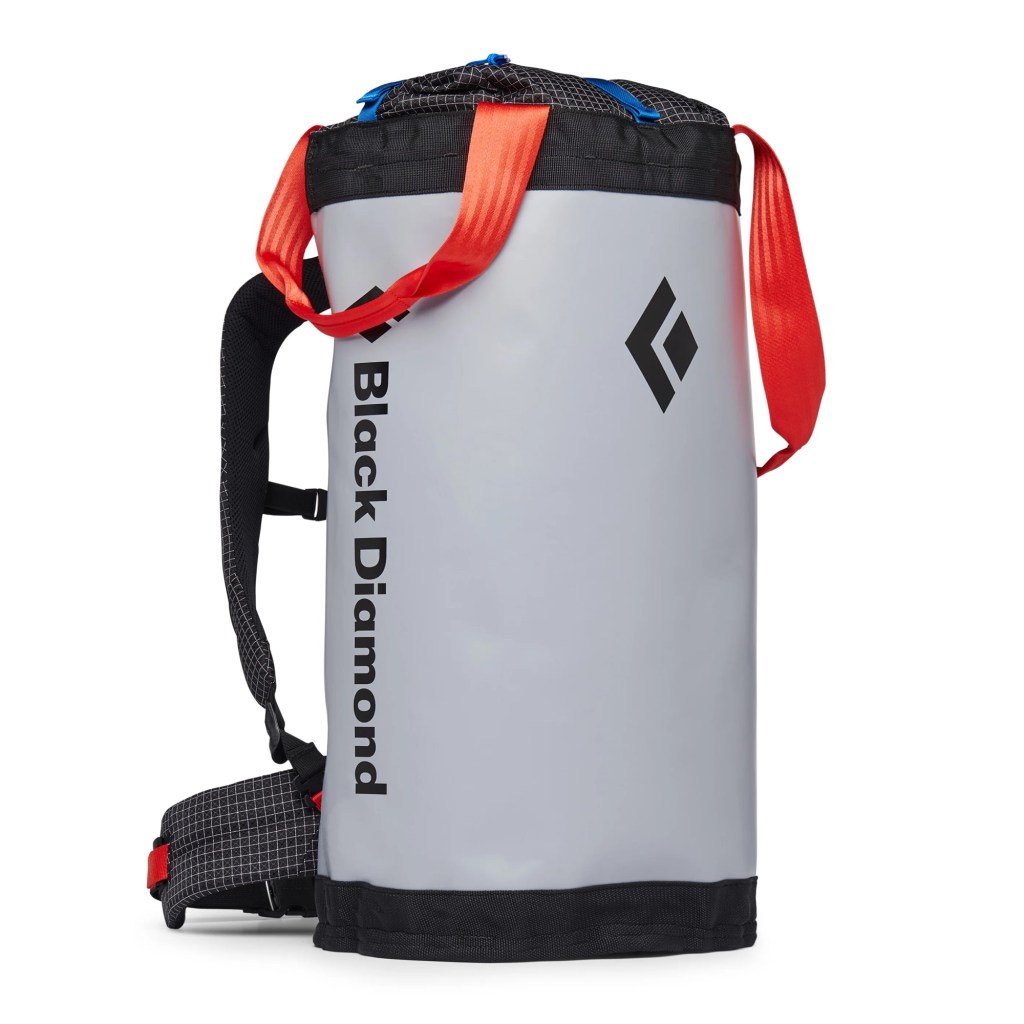
Black Diamond are a company that is synonymous with big wall free climbing and their haul bags are well known and well tested. Available in 4 sizes (40, 70, 125 and 140) their Wall Hauler series has you covered for day trips and multi day missions. I’ve used BD haul bags more than any others and they hold up to abuse day after day and season after season. The 40 litre size is perfect for day trips and on multi day routes I often use a 40 and 70 together, hung in series with the portaledge below. This means you can use the 40 as a day bag with the 70 staying closed and out of the way, as your overnight bag.
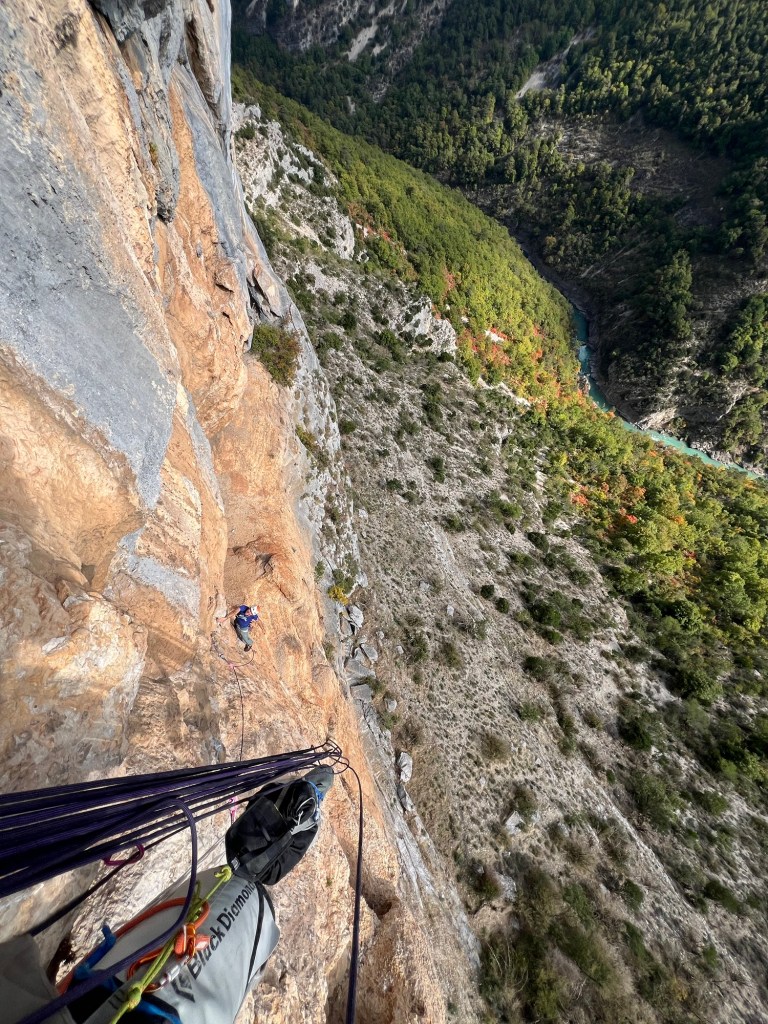
You can find out more about Black diamond haul bags and buy one from the BD website.
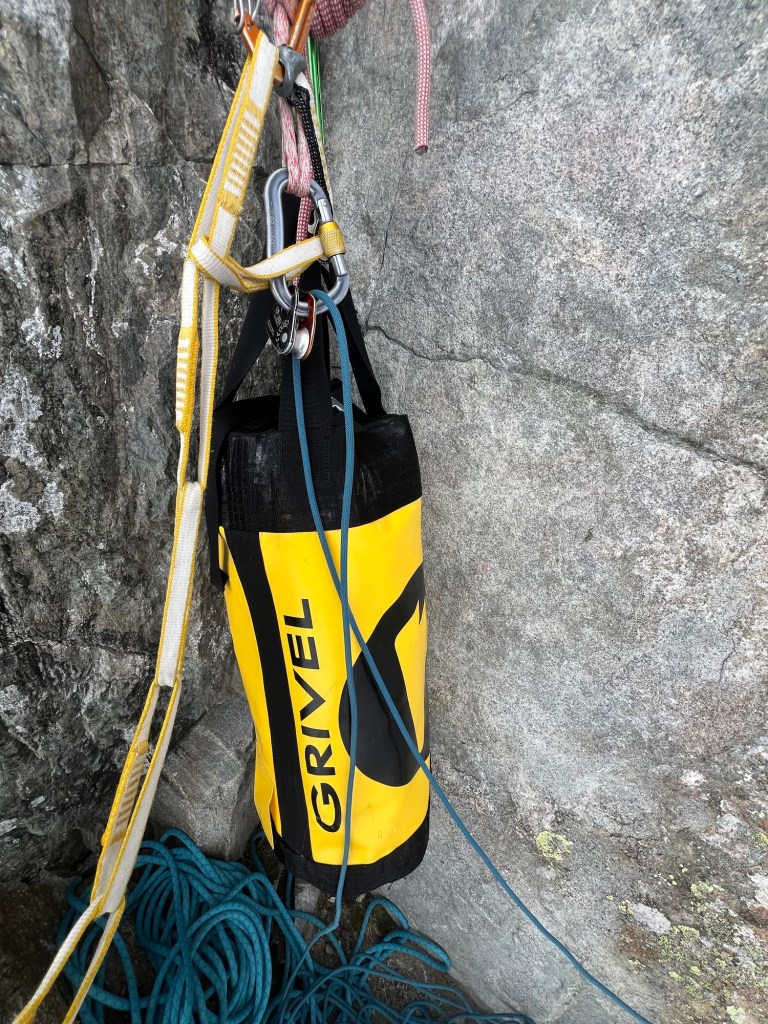
Grivel Haul Bags
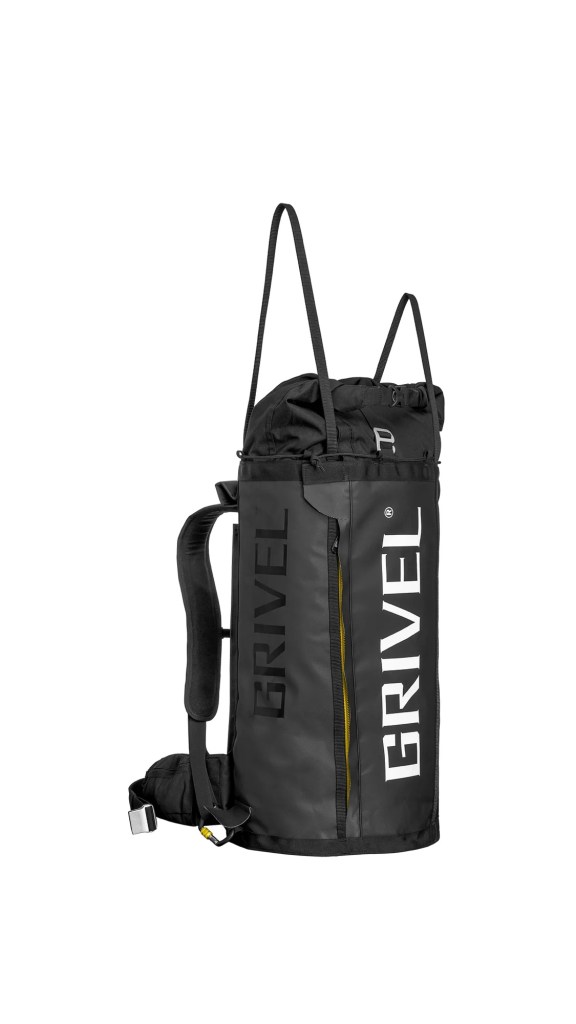
Grivel, whilst better known for their ice tools and crampons, have a couple of nicely featured haul bags with the Grand Cap 40 being my favourite for day routes. The offset haul/hanging loops mean it’s much easier to get into the bag whilst it’s on the anchor and the full length zip, allows easier access to items at the bottom (usually the item you want in your haul bag, regardless of what it is). However, you need to be careful using it on routes as you could easily spill the whole bag. It’s also an extra weak point in terms of wear and tear.
You can find out more and buy one at the Grivel website.
Blue Ice Alpine Hauler
As I said earlier, I see the Alpine Hauler more as an “occasional hauler”, rather than an out and out haul bag, however it is a great pack, being super light and tough. It hauls well but compresses down just enough if i need to climb with it on my back.
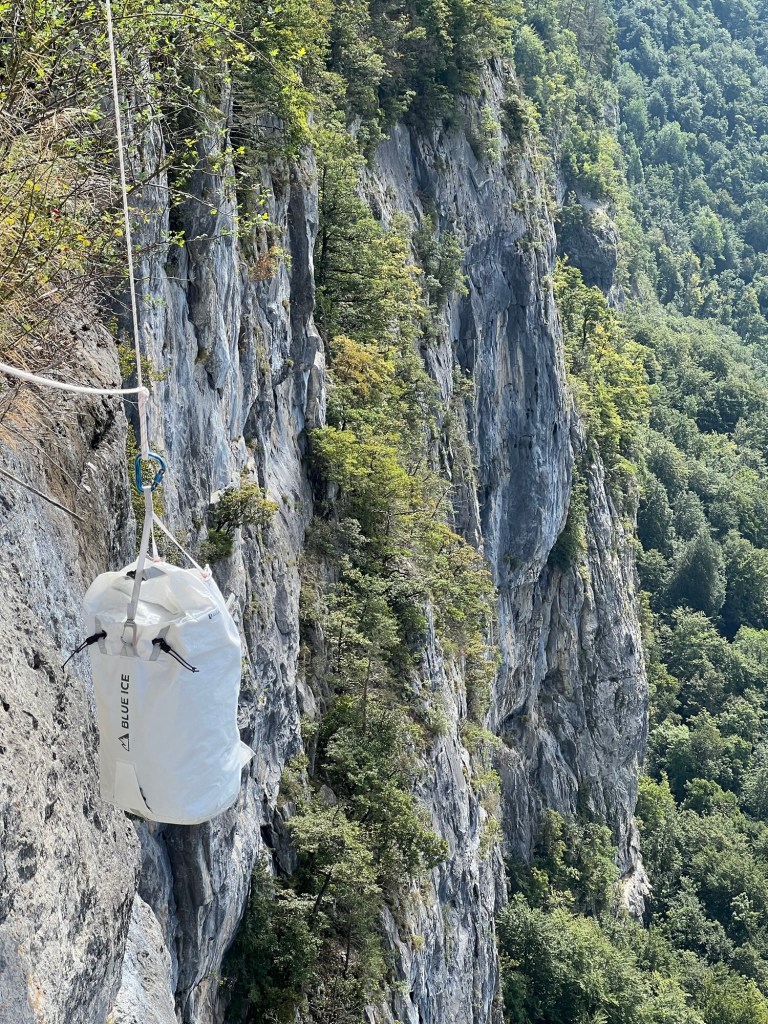
You can buy the Alpine Hauler at the Blue Ice Website
About the Author
Kevin Avery is an IFMGA Mountain Guide based near Chamonix, France. He specialises in bespoke multi-pitch and alpine rock climbing, ice and mixed climbing and ski touring adventures. You can check him out @kevinavery.mountainguide on Instagram or email truenorthalpine@gmail.com to make a booking enquiry.

